Transmissions do not fail without sending invitations first. A harsh 2-3 shift when the fluid was always fine is different from a gradual slip that worsens every week. Learning early warning signs helps you fix a small issue—fluid, leak, software update—before metal chips end the conversation.
Delayed or harsh shifts
Automatics should engage Drive and Reverse promptly without long flares. Hard bangs into gear after warm-up can mean fluid condition, pressure problems, or adaptive learning that needs a reset. Sudden changes after towing or mountain driving deserve a fluid check.
Slipping under load
If engine rpm rises but speed does not follow on hills or merges, internal clutch packs may be worn. This is urgent—continuing to drive turns a serviceable valve body job into a rebuild.
Manual gearbox grinding
Grinding into gears with the clutch fully depressed suggests synchronizer wear. Grinding only when starting from a stop may be clutch adjustment or failure. Match the symptom to the component.
Burning or sweet smells
Burnt transmission fluid smells sharp and hot—often from overheating due to towing beyond capacity, leaking cooler lines, or old fluid. Sweet coolant smell inside the cabin with shifting issues can indicate a radiator cooler failure mixing fluids. Stop driving and tow if fluids are cross-contaminated.
Leaks and fluid color
Healthy automatic fluid is usually red to pink when new, turning darker with age but not gritty. Metal flakes on the dipstick or drain plug magnet mean internal wear. Fix leaks early; low fluid starves the pump and burns clutches in minutes.
Noises in neutral or specific gears
Whine in neutral that changes in gear can be bearing wear. Clunk on shifts may be mounts or internal clearance. CVTs may drone differently than traditional autos—know your normal sound.
Dashboard warnings
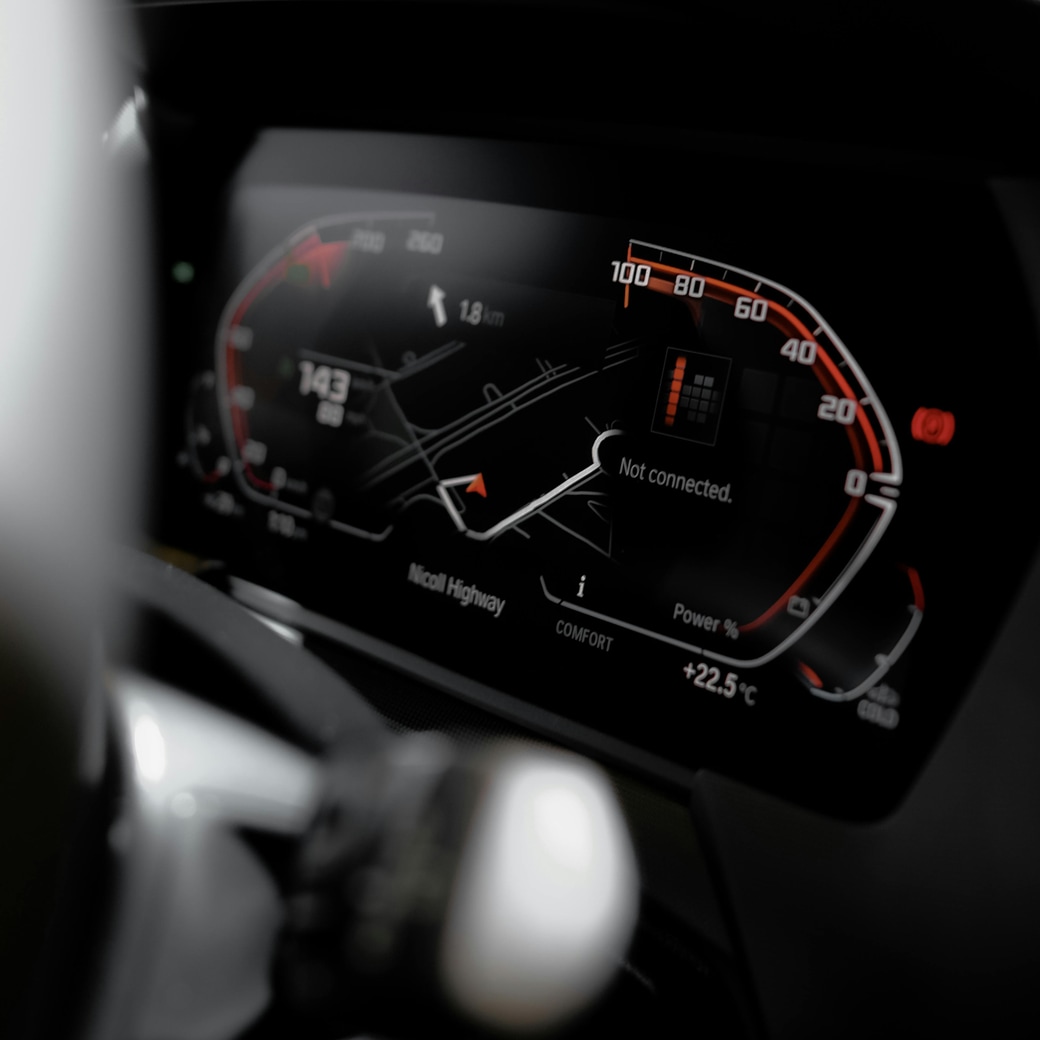
Transmission temperature, fault codes, and limp mode protect the unit by limiting power. Scan codes promptly. Sometimes updates or valve body issues are repairable without full replacement if caught early.
Driving habits that help or hurt
- Come to a full stop before shifting Drive/Reverse on most automatics.
- Do not tow beyond rated capacity without auxiliary cooling.
- On manuals, do not ride the clutch in traffic.
- Follow fluid change intervals for severe service if you haul or idle often.
CVT and dual-clutch differences
CVTs feel seamless when healthy; shudder at low speed may mean fluid or pulley wear. Dual-clutch units can judder from clutch adaptation or low-speed calibration—software and fluid both matter. Use manufacturer-approved fluid only; wrong fluid destroys friction characteristics.
What to do when symptoms appear
Check fluid level and condition if the manual allows. Note codes, smells, and when symptoms occur. Avoid hard acceleration until diagnosed. A shop should perform pressure tests, scan data review, and pan inspection where appropriate.
Bottom line
Transmission repairs are expensive when ignored and manageable when caught early. Treat new shifts, smells, and slips like a check-engine light for the driveline—act quickly, document symptoms, and you may save the gearbox that keeps your car moving.