Are Plug-In Hybrids Worth Buying in 2026?
PHEVs are the flexible middle ground between gas and full EV, but their value in 2026 depends on your charging access and daily mileage.
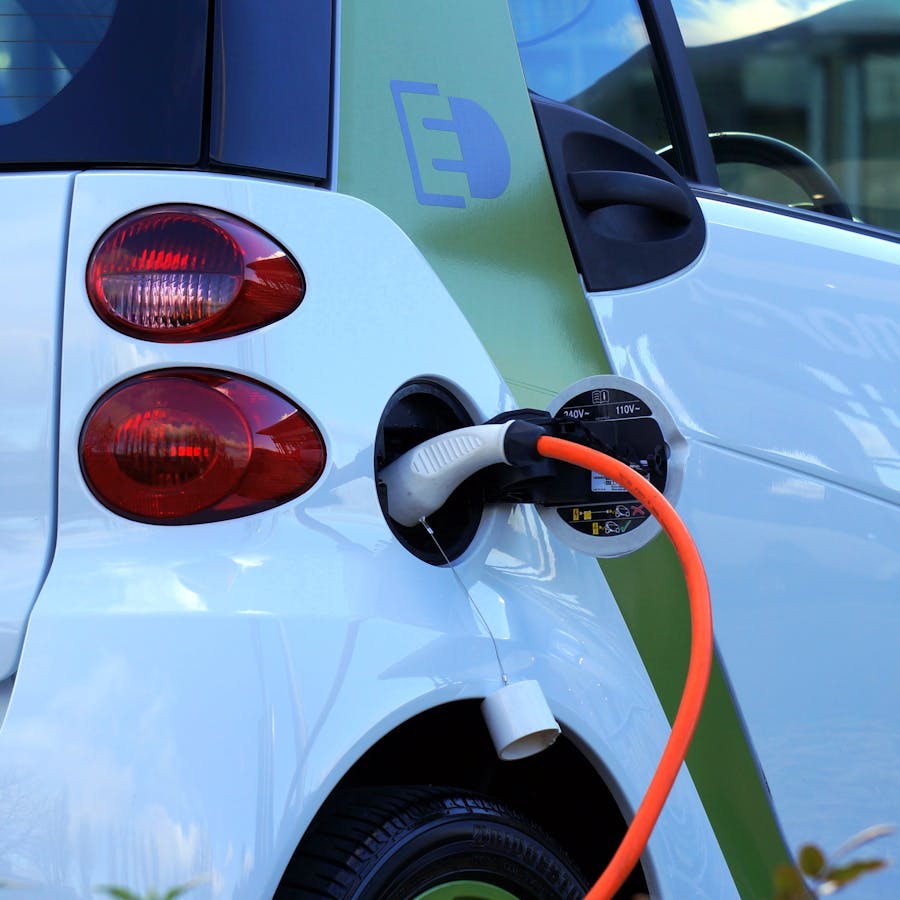
PHEVs are the flexible middle ground between gas and full EV, but their value in 2026 depends on your charging access and daily mileage.
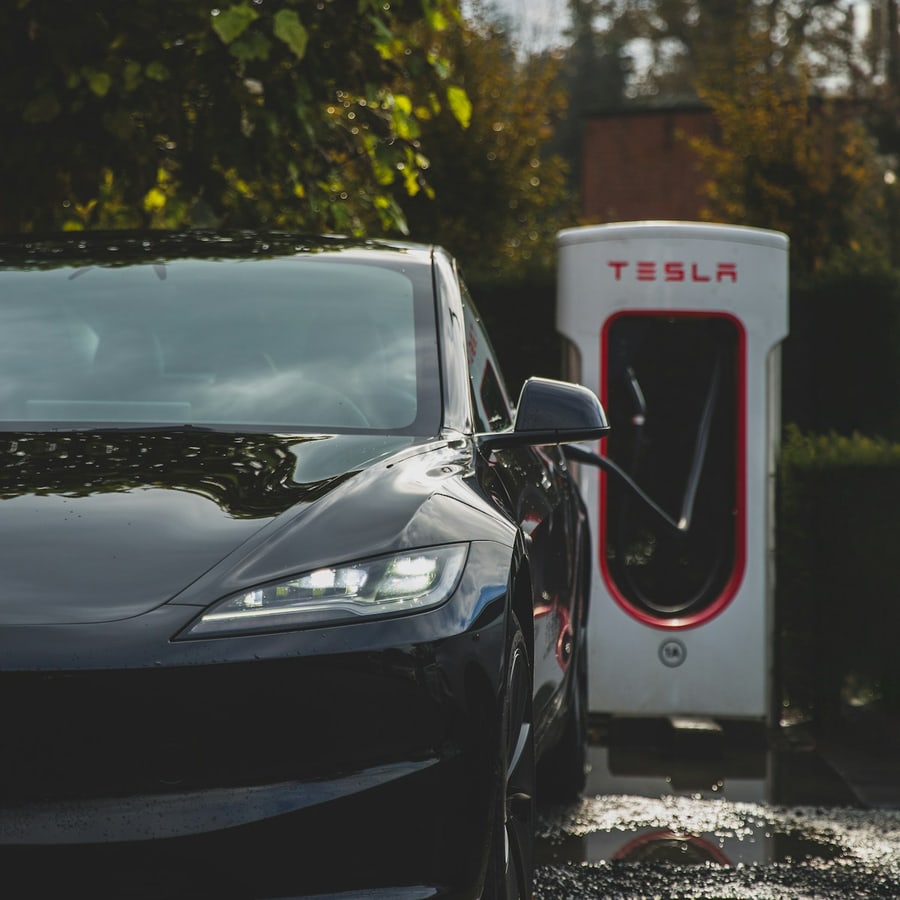
Sticker price is only the start—charging, insurance, tires, and depreciation define the real cost of EV ownership in 2026.
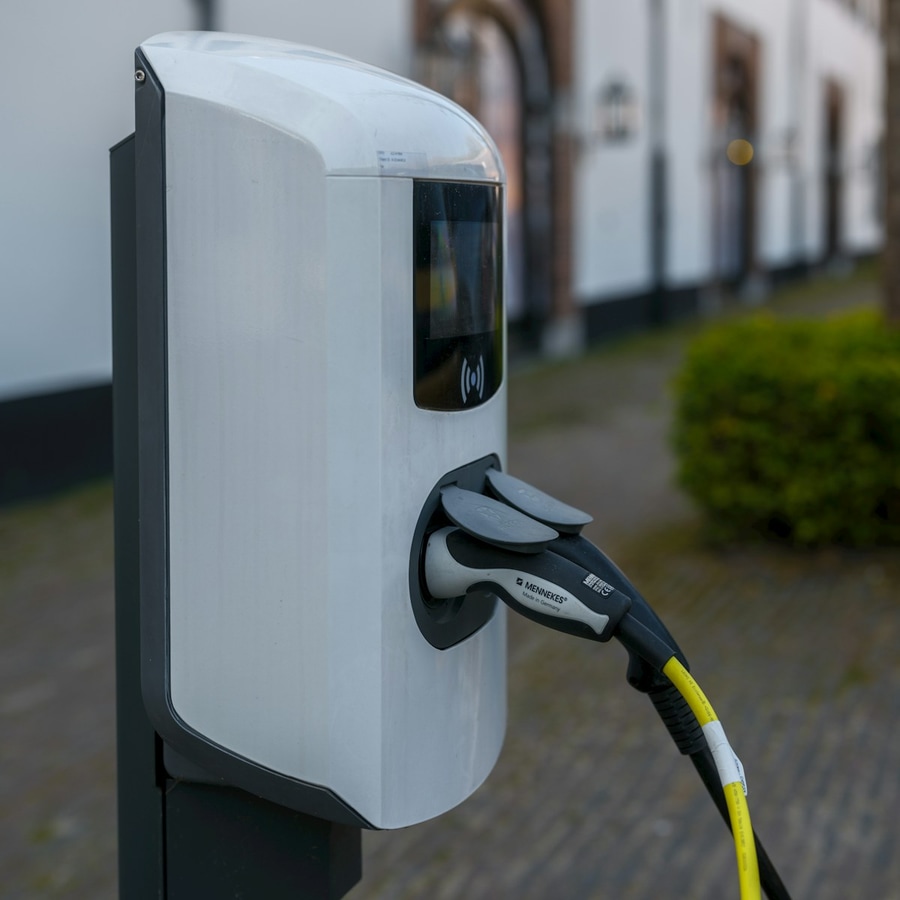
First-time EV buyers should understand Level 1, Level 2, and DC fast charging before they choose a car or install home equipment.
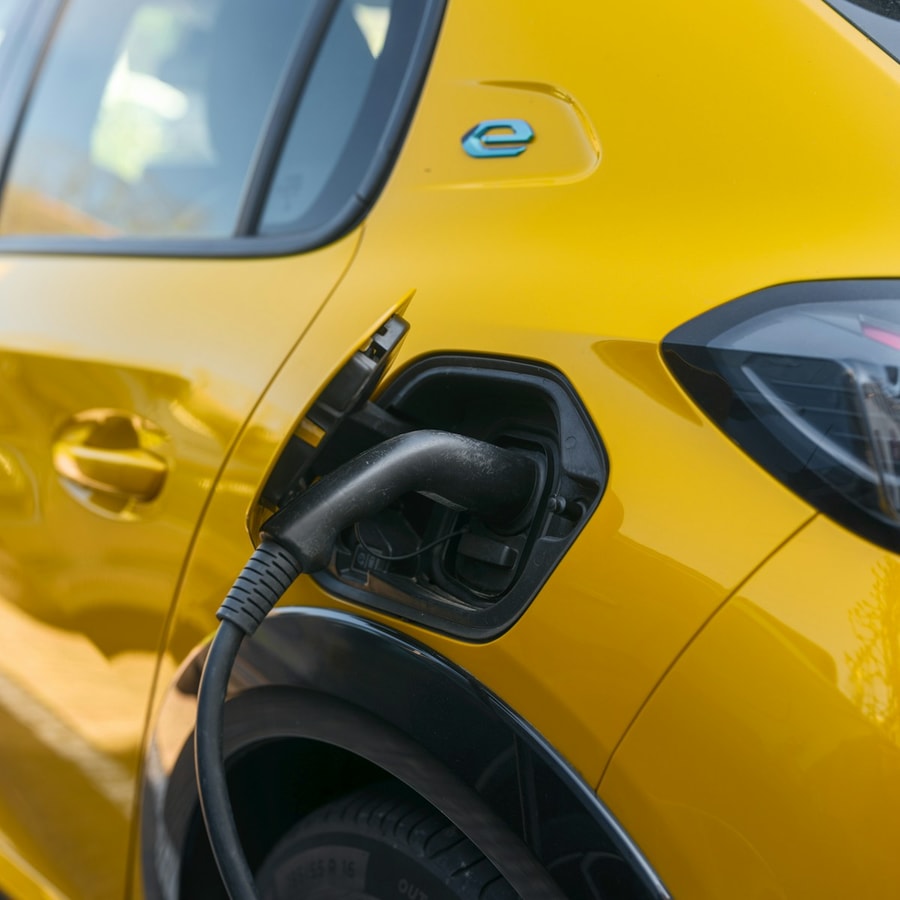
Larger batteries, denser fast-charging networks, and better trip planning tools are steadily erasing EV range anxiety for everyday drivers.
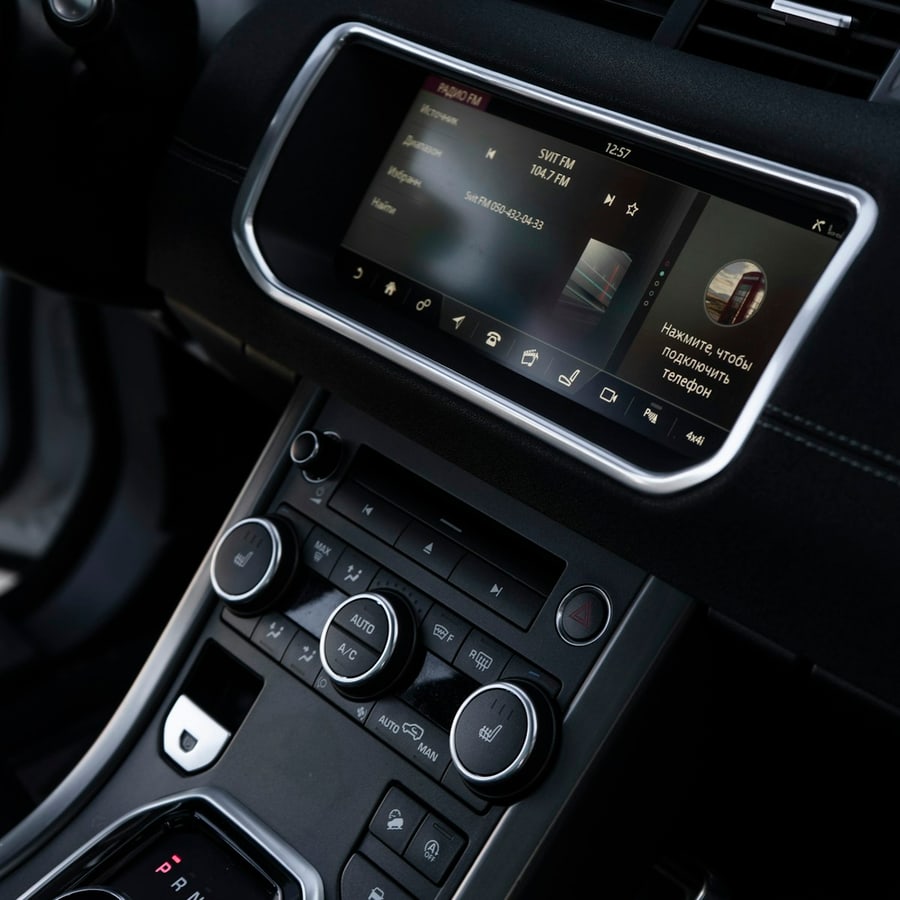
Affordable EVs in 2026 compete on real range, charging speed, and warranty—not just the lowest sticker price on the lot.
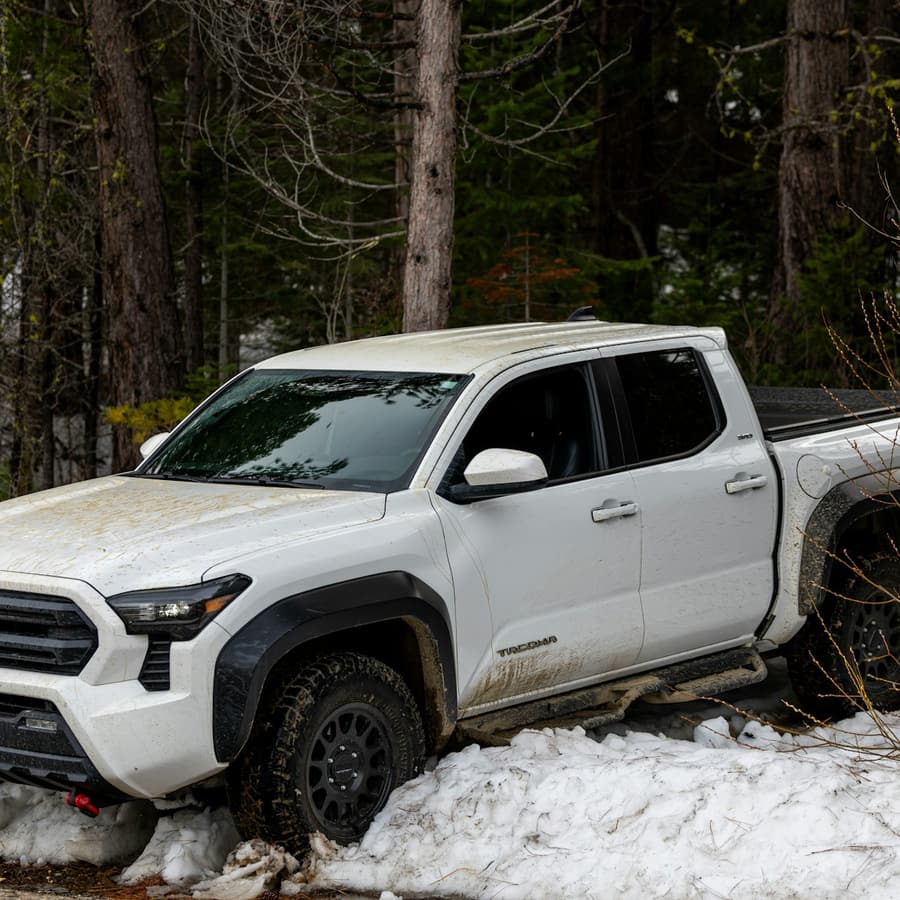
Winter reduces EV range and charging speed, but preconditioning, heat pumps, and smarter planning keep daily driving predictable.
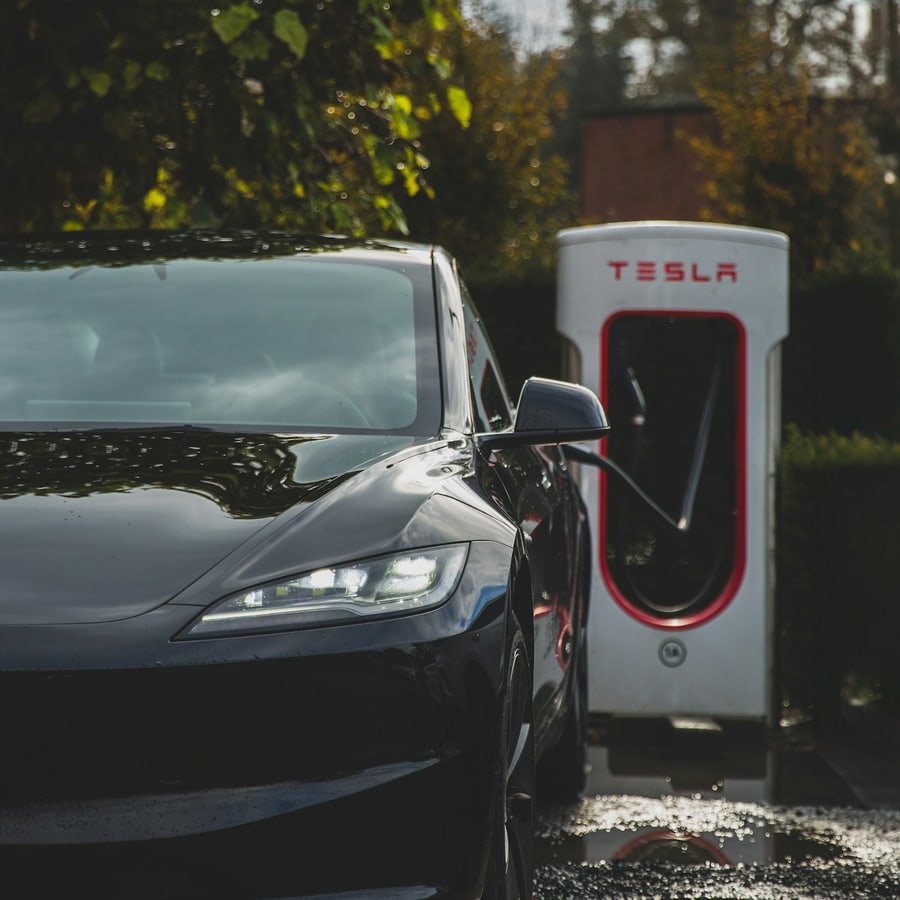
Superchargers still lead on trip simplicity for many drivers, but public networks are catching up on speed, pricing, and plug access.
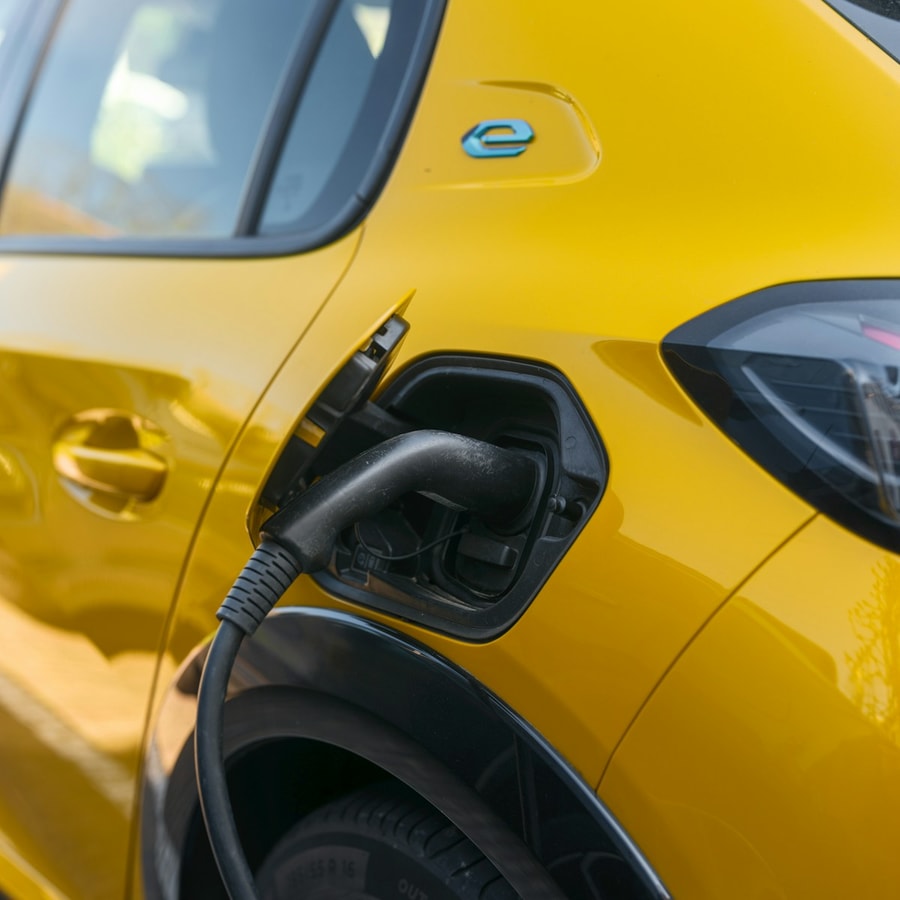
Full EV battery replacements are rare but expensive—warranty coverage, module repairs, and prevention matter more than internet horror stories.
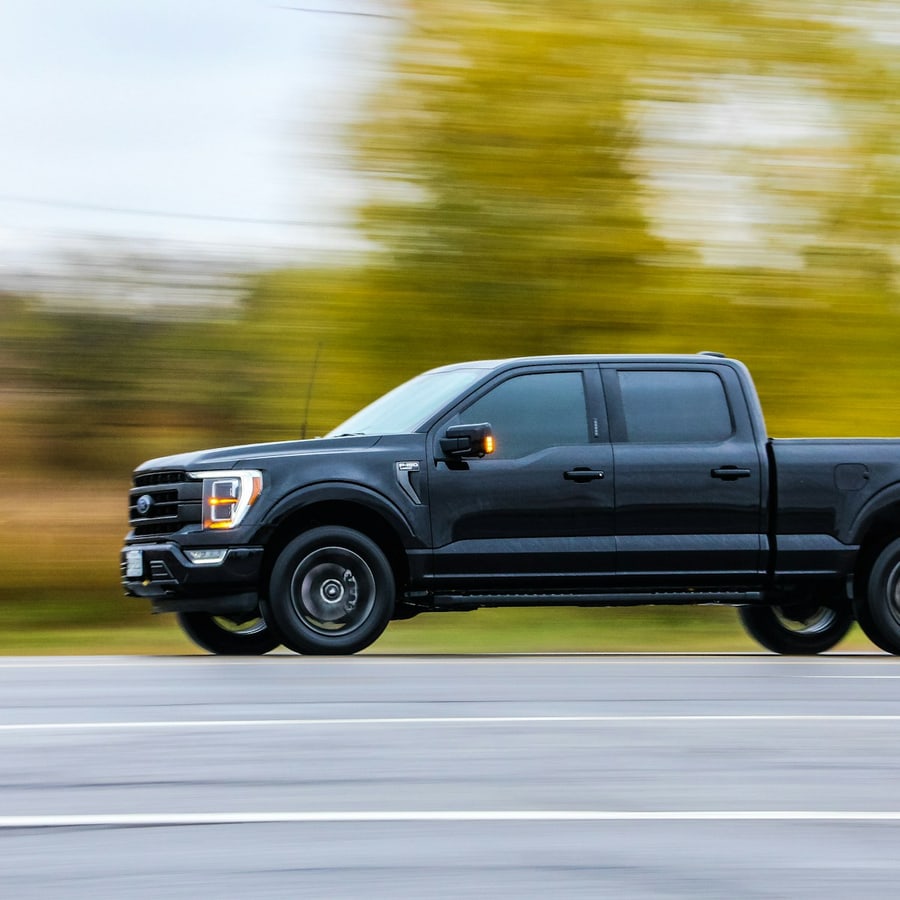
Electric trucks work for many daily drivers, but towing range loss and charging access still decide whether one fits your real week.
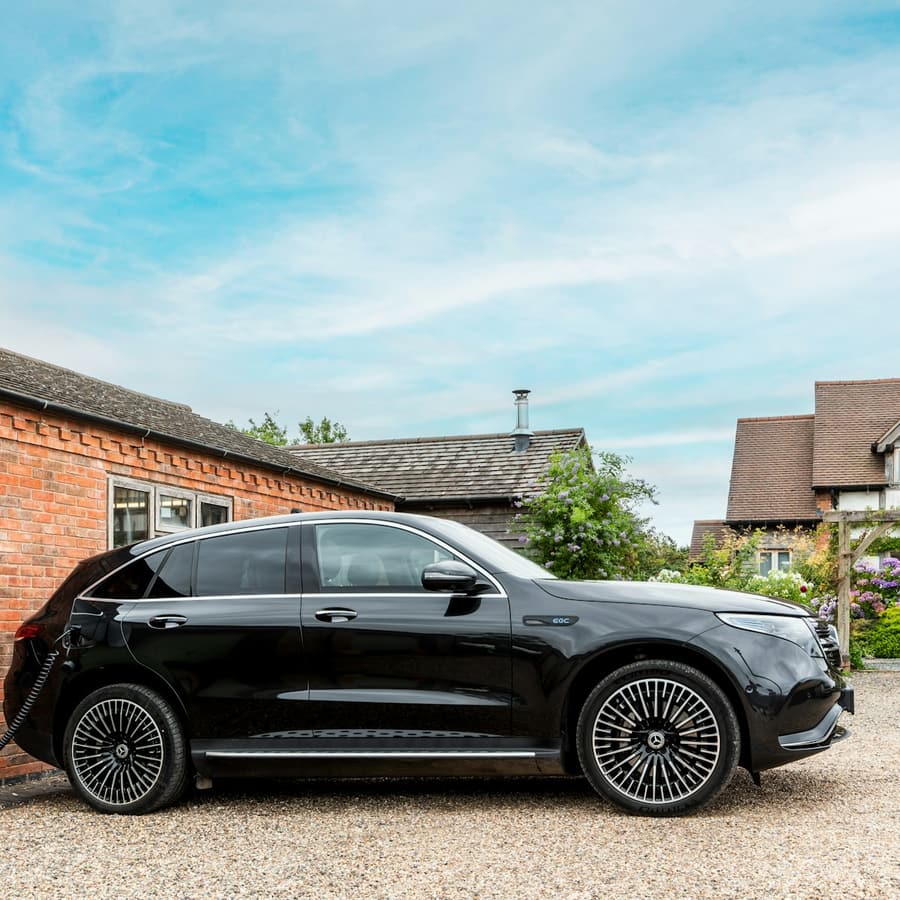
Most modern EV batteries last well over a decade with normal use—degradation is gradual, and warranties back up the real-world data.