How AI Is Changing the Future of Driving
From lane-keeping assists to fleet intelligence, artificial intelligence is quietly rewriting what it means to drive, own, and trust a vehicle.
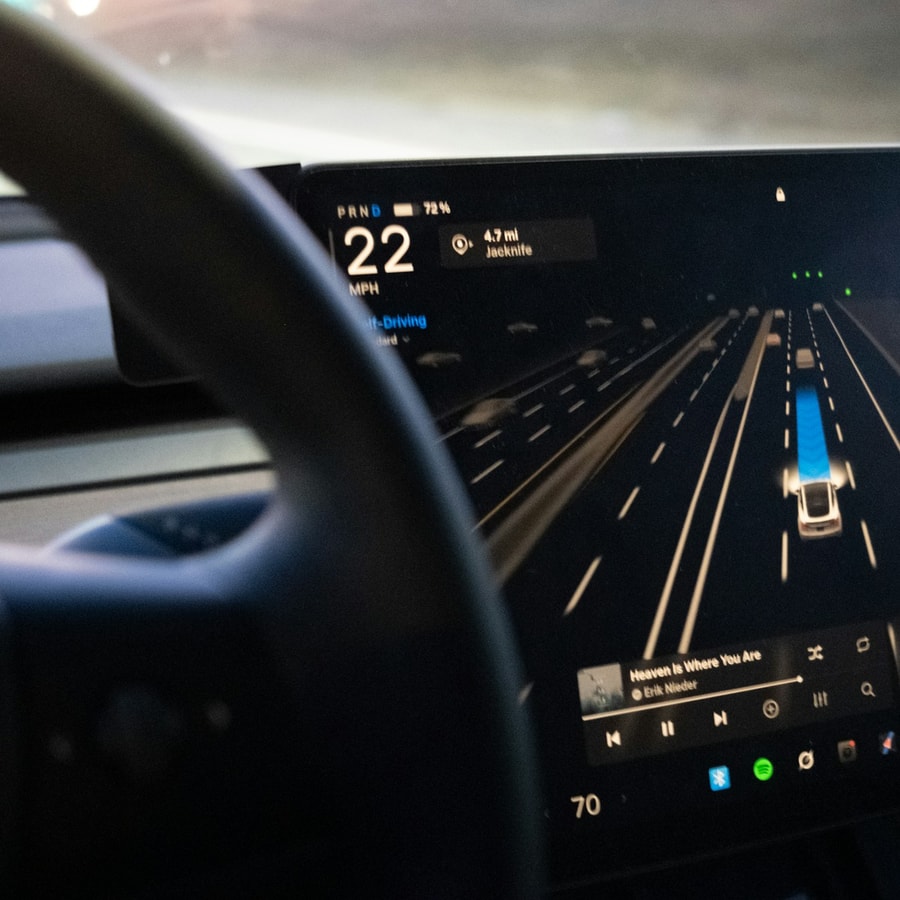
From lane-keeping assists to fleet intelligence, artificial intelligence is quietly rewriting what it means to drive, own, and trust a vehicle.
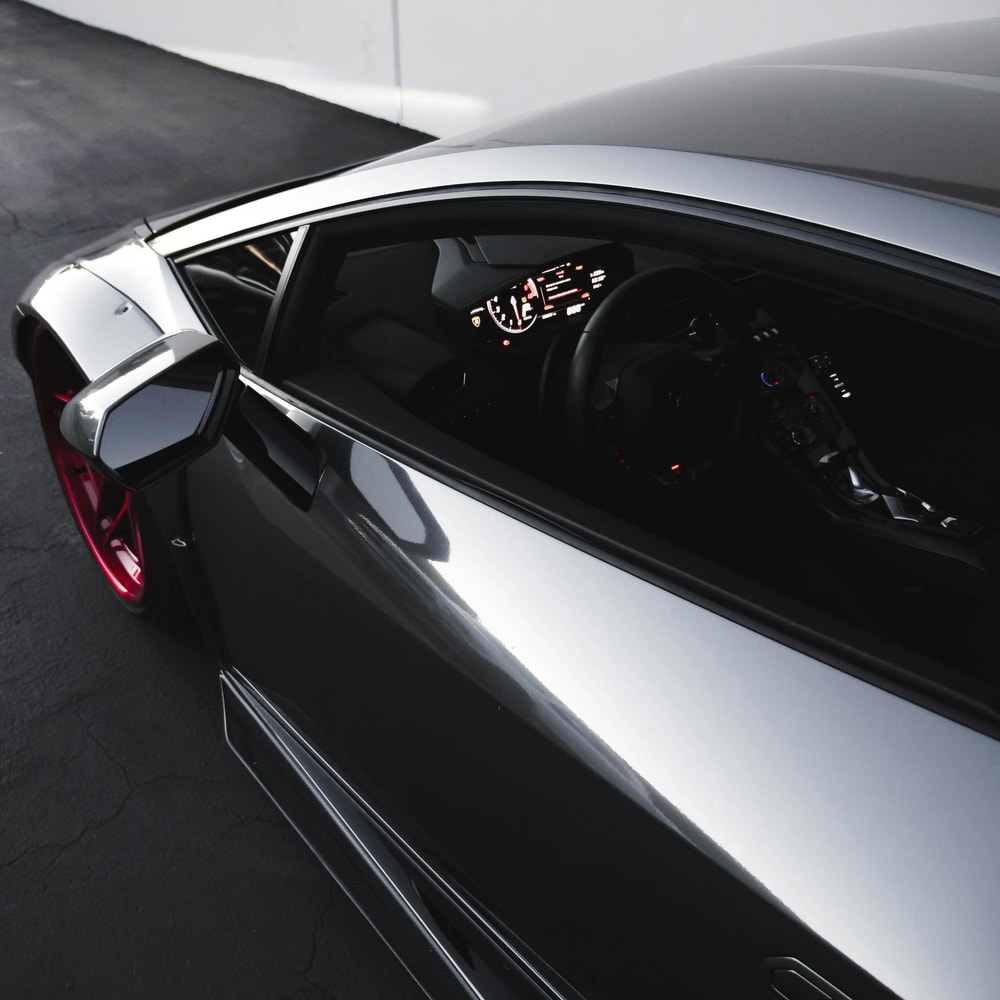
Software-defined vehicles shift the car from a fixed machine to an updatable platform—here is what that means for drivers and the industry.

From giant touchscreens to app-style features, modern cars mirror smartphone habits—and drivers are learning the tradeoffs that come with it.

Hands-free highway assists exist in pockets, but full autonomy still faces weather, regulation, and liability hurdles most drivers never see in ads.

Eight once-premium technologies—from OTA updates to 360-degree cameras—are quickly becoming baseline expectations on mainstream cars.
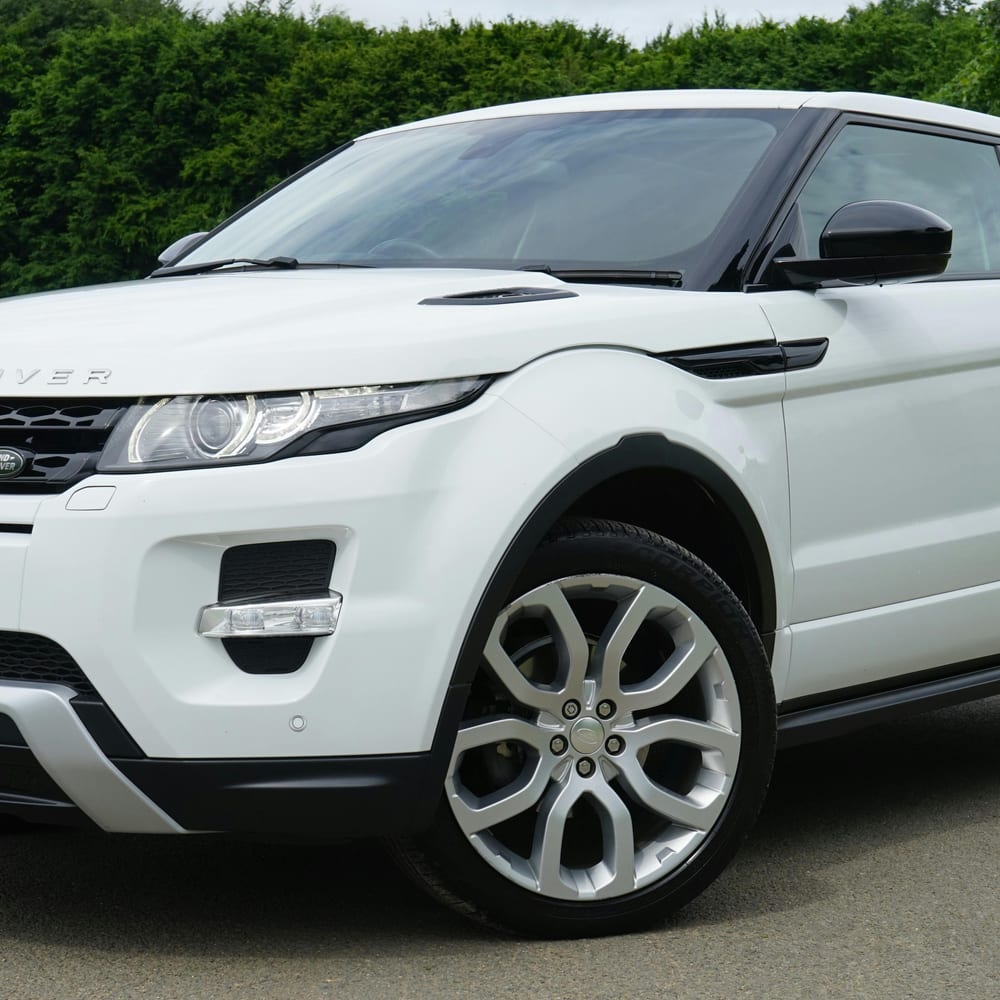
Next-gen EV batteries balance chemistry, voltage, and thermal management to deliver faster charging, longer life, and lower cost—here is how.

Giant touchscreens and app-style dashboards can simplify driving—or pull your eyes off the road when menus get too deep.

Battery EVs lead consumer sales today, but hydrogen still has a case in trucking and fleet use—here is how the two paths really compare.
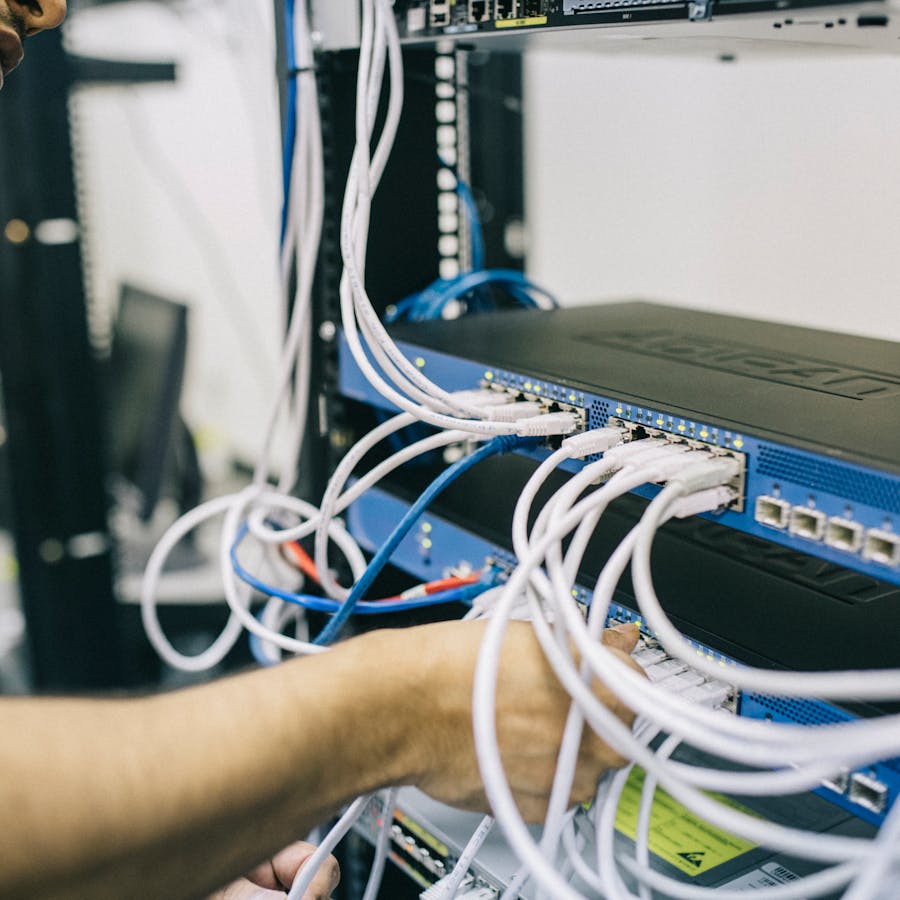
5G is turning cars into connected platforms with quicker software updates, smarter navigation, and fleet data—but privacy and coverage still matter.
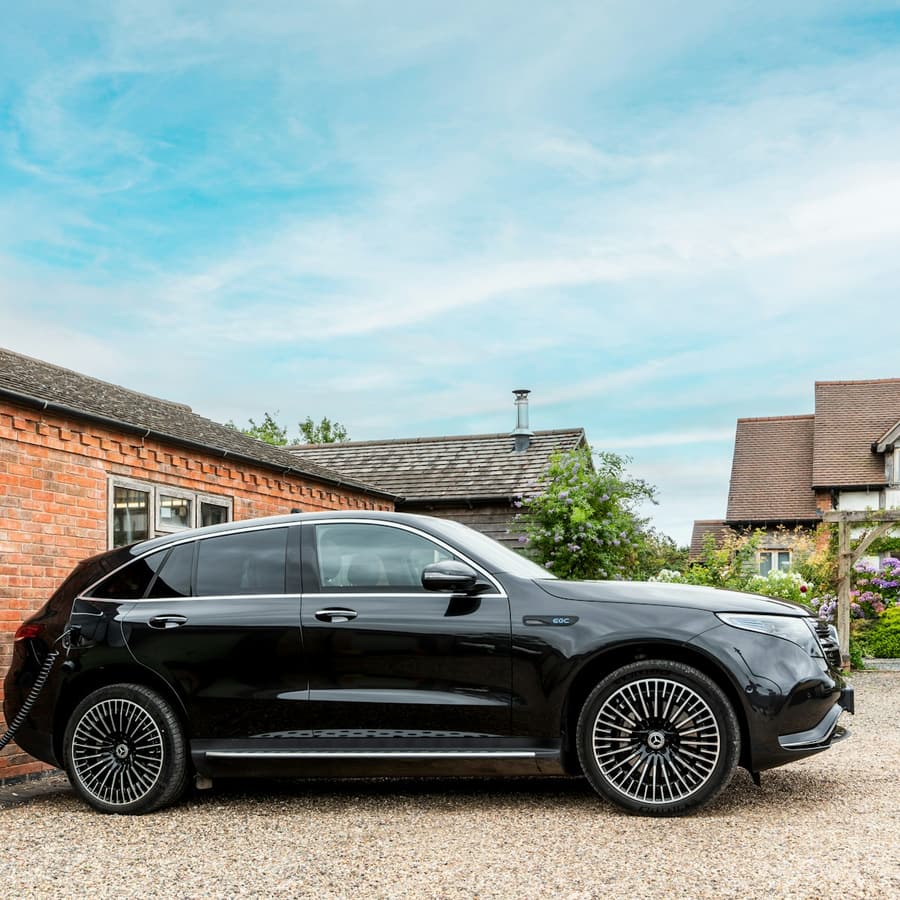
V2G and V2H turn your EV into a mobile battery pack, but hardware standards, utility rules, and battery wear still decide whether it pays off.