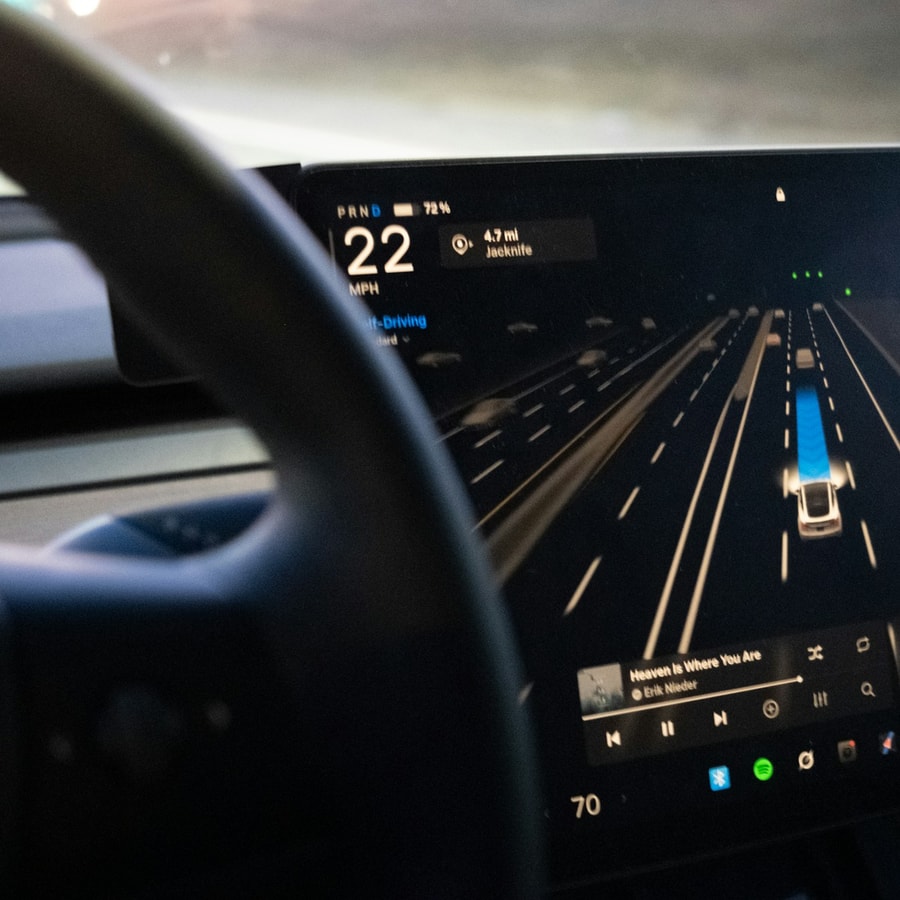
If you bought a car in the last five years, you have probably already driven with AI, even if nobody used that label at the dealership. Lane-keeping nudges, adaptive cruise that adjusts to traffic, automatic emergency braking, and parking cameras that highlight curbs are all software decisions happening in milliseconds. The shift ahead is bigger: AI is moving from helpful corrections toward systems that plan routes, predict failures, coordinate fleets, and in some cases take over entire driving tasks.
That change matters because driving is not only personal transport. It is logistics, insurance risk, urban design, and hours of human attention every day. When machines get better at perception and prediction, the ripple effects hit commute time, crash rates, resale values, and even which jobs stay local. Understanding where AI already works, where it still struggles, and what drivers should expect in the next decade is the practical starting point.
From driver aids to machine perception
Early advanced driver-assistance systems relied on simple rules: if the car drifts, correct the wheel; if the radar sees a slower vehicle, reduce speed. Modern stacks combine cameras, radar, lidar on some models, ultrasonic sensors, and high-definition maps. AI models classify objects, estimate their motion, and fuse noisy inputs into a coherent scene.
The jump in capability comes from learned representations rather than hand-coded thresholds. A vision model trained on millions of frames can recognize a partially occluded cyclist at dusk better than a fixed algorithm tuned in a lab. A prediction module can guess whether a pedestrian will step off the curb based on posture and traffic context. Those skills underpin features drivers already notice: smoother adaptive cruise in stop-and-go traffic, more confident lane centering on faded markings, and intersection alerts that fire earlier with fewer false alarms.
What full automation still requires
Level 4 and Level 5 autonomy remain limited in geography and weather for good reason. Snow hides lane lines, construction zones break map assumptions, and unusual objects confuse models trained on common cases. Redundancy matters: serious programs use overlapping sensors so a single failure does not blind the car. Remote operations teams can help robotaxis when a scene is ambiguous, which is a reminder that many deployments are human-plus-machine systems, not pure software magic.
Inside the vehicle: software-defined experience
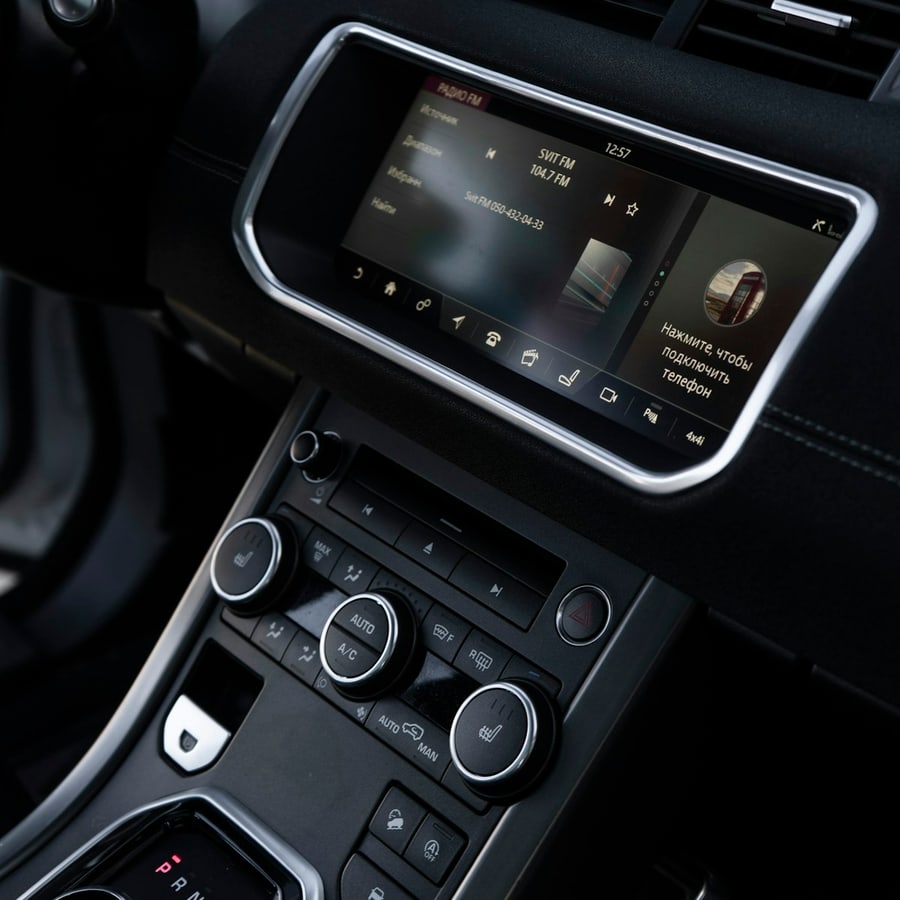
AI is also reshaping the cabin. Voice assistants now interpret natural commands, adjust climate and navigation together, and summarize messages without drivers digging through menus. Driver-monitoring cameras watch for distraction or drowsiness and escalate warnings before a lane departure. Some brands personalize seat, mirror, and audio settings by profile recognition.
Over-the-air updates mean a car purchased in spring can gain improved lane logic by winter. That benefits owners but raises new questions about transparency: what changed, did range or performance shift, and who is liable if an update regresses behavior? Savvy shoppers are starting to ask about software support windows the way they once asked about rust warranties.
Fleets, freight, and mobility services
Some of the fastest ROI for automotive AI sits outside retail driveways. Delivery vans use route models that account for traffic patterns, package density, and driver breaks. Rental and car-share fleets predict maintenance from vibration and temperature signatures instead of waiting for a warning light. Robotaxi pilots in defined cities combine perception stacks with fleet dispatch algorithms that position vehicles where demand will spike after events or weather shifts.
For businesses, the win is utilization: fewer empty miles, shorter idle time, and better fuel or charge planning. For cities, concentrated fleets can reduce parking pressure if shared rides replace solo trips, though the outcome depends on policy and pricing, not technology alone.
Safety, liability, and trust
Crash statistics in many regions already show benefits from automatic emergency braking and improved stability control, much of it AI-assisted. The harder debate is attribution when a partially automated car collides. Is the driver responsible for monitoring? The manufacturer for a flawed model? The map provider for a wrong construction flag? Regulators in the United States, Europe, and Asia are updating frameworks, but drivers should assume they remain legally responsible unless a clearly defined automated mode is engaged and permitted where they travel.
Trust grows from predictable behavior. Systems that hesitate oddly, brake late for shadows, or hand control back without clear alerts erode confidence faster than occasional misses in brochure specs. Consistent human factors design—clear status icons, unambiguous takeover requests, and limits displayed on the screen—matters as much as raw model accuracy.
Data, privacy, and cybersecurity
AI needs data to improve, which means modern vehicles collect camera snippets, location traces, and diagnostic logs. Manufacturers anonymize and aggregate much of this for training, but owners should review privacy settings, understand what can be shared with insurers or apps, and keep software current for security patches. A connected car is a computer on wheels; fleet operators already treat them that way with key rotation, intrusion monitoring, and segmented networks.
What drivers should do now
- Learn your ADAS limits: read the manual for when lane centering, cruise, or parking assist disengage.
- Stay engaged: treat partial automation as supervision, not downtime for email or video.
- Plan for updates: install approved OTA releases and note changes in behavior after major patches.
- Shop with software in mind: ask about sensor types, map dependency, and years of included connectivity.
- Watch regulation where you drive: hands-free highway rules differ by state and country.
The road ahead
AI will not replace every steering wheel overnight. The near future looks like tighter integration: better prediction in bad weather, richer augmented reality on head-up displays, coordinated charging for electric fleets, and insurance products priced on actual risk signals instead of broad demographics alone. Human drivers will remain central for years on rural roads, complex urban grids, and anything outside well-mapped operational zones.
The meaningful change is that driving skill is increasingly shared between human judgment and machine perception. Drivers who understand that partnership—where software is strong, where it is brittle, and how to stay alert—will get the safety and convenience benefits without being surprised by the limits. The future of driving is not only autonomous cars on a poster; it is millions of ordinary trips made calmer, safer, and a little smarter by AI working quietly in the background.