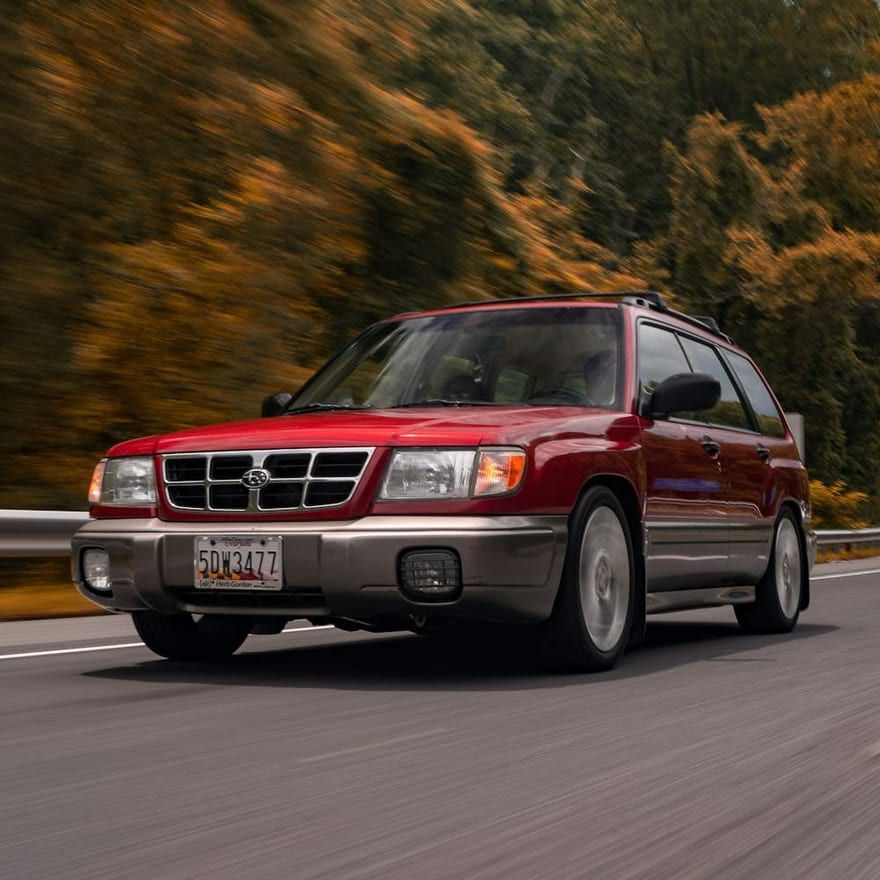
Road trips sell freedom: open windows, playlists, diner coffee. They also stack hours of monotony that dull reactions faster than most drivers admit. The safest vacation drivers treat breaks, sleep, and vehicle checks as part of the itinerary—not obstacles to the beach.
A few deliberate habits turn a long haul from a white-knuckle sprint into a manageable day behind the wheel.
Plan the day in driving blocks
Cap active driving at two hours before a real stop—walk, stretch, refill water, reset focus. Eight hours behind the wheel in one day is a ceiling, not a target. Split long routes across mornings when alertness peaks. Build buffer for weather and construction so you are not racing the clock at dusk.
Share driving before anyone is exhausted
Swap drivers at scheduled stops, not when the current driver is weaving. Passengers should navigate, manage snacks, and watch for fatigue signs: drifting, missed exits, heavy eyelids. A fifteen-minute nap in a safe parking lot beats pushing through the last hundred miles.

Pre-trip vehicle basics
Check tire pressure including spare, fluid levels, wiper blades, and lights. Pack an emergency kit: jumper cables or pack, flashlight, first aid, phone charger, water, and blankets in cold regions. Verify registration and insurance are accessible digitally and on paper.
Fuel and food stops as safety tools
Never run the tank to fumes in rural stretches—stations close, card readers fail, and detours happen. Stop for meals sitting down rather than eating while driving; grease on the wheel and dropped fries cause distractions. Hydrate but time caffeine—it masks sleep debt temporarily then drops hard.
Night and weather adjustments
Reduce speed after dark and in rain. Hotel one town early if storms line up—arriving tomorrow beats hydroplaning tonight. Use rest areas for naps, not shoulders unless emergency.
Occupant safety and cargo
Seatbelts for everyone, pets secured so they cannot block feet or slides under seats. Heavy cargo low and forward; roof loads change handling and mpg—recheck strap tension after the first hour.
Technology with limits
Navigation offline maps save you when signal dies. Adaptive cruise helps on open highways but still needs supervision. Disable nonessential phone notifications; passenger handles texts.
Sample stop rhythm for a 600-mile day
- Mile 0: vehicle walk-around, goals for first leg.
- Every 120 miles: ten-minute walk, fuel if needed, driver swap.
- Midday: proper meal away from wheel.
- Final leg: if eyes heavy, hotel early—morning miles are safer.
The best road trip memory is the destination, not the hour you white-knuckled through fatigue because stops felt like lost time. Schedule rest like you schedule hotels and you arrive sharper, safer, and ready to enjoy why you drove in the first place.
Navigation and backup plans
Download offline maps for dead zones. Share ETA with someone not on the trip. Identify alternate routes before weather closes a pass—deciding at midnight in rain is when bad detours happen.
Kids and pets on long hauls
Schedule kid stops before meltdowns; a ten-minute playground break saves an hour of back-seat distraction. Secure pets so they cannot climb into footwells. Never leave children or pets in closed cars during fuel or bathroom stops in heat.
Legal and documentation readiness
Insurance cards, registration, and roadside membership numbers accessible offline. Cross-state trips may cross cell coverage deserts—paper backups still matter.
End-of-day arrival discipline
The last hour tempts marathon pushes. Book hotels before you are exhausted so you are not negotiating rates while half asleep. A calm final leg beats a heroic sprint into a unfamiliar city at midnight.
Road trips become memories when pacing respects human limits. Treat stops as part of the itinerary, not delays—and you arrive ready to enjoy why you drove instead of recovering for a day.
Splitting multi-day routes
Four hundred miles before lunch and four hundred after beats eight hundred straight with fading focus. Book midday stops with meals away from the wheel. Switch drivers before the afternoon slump, not during it.
Weather windows and flexibility
Check radar for mountain passes and coastal fog belts the night before. Leaving two hours early beats driving through hail because the hotel checkout was noon. Flexibility is a safety feature on long trips—not a sign you failed to plan.
Vehicle checks at fuel stops
Quick walk-around every few hours: tire shine on sidewalls suggesting low pressure, fluid drips, loose roof straps. Catch small issues before they strand you two hundred miles from home.
The best souvenir from a road trip is arriving with everyone safe and still speaking to each other. Pace, rest, and preparation make that outcome far more likely than any shortcut through the night.
Sharing driving fairly on family trips
Rotate drivers before the primary person hits the wall—usually mid-afternoon, not after dinner when everyone is stuffed and drowsy. Non-drivers handle navigation, snacks, and kid entertainment so the wheel person stays focused. Fair splits prevent one exhausted hero from closing the last leg.
Overnight stops and security
Choose well-lit fuel and rest stops; park where you can pull through without backing in the dark. Lock doors during naps and keep valuables out of sight. A twenty-dollar motel beats driving through the biological wall because the next town is only an hour away.
Music, podcasts, and driver rotation
Keep volume moderate so sirens and horn warnings still register. Switch playlists before boredom turns into highway hypnosis—not after you have drifted toward the shoulder. Passengers who stay engaged with navigation and traffic alerts share the cognitive load that long miles pile on one person.