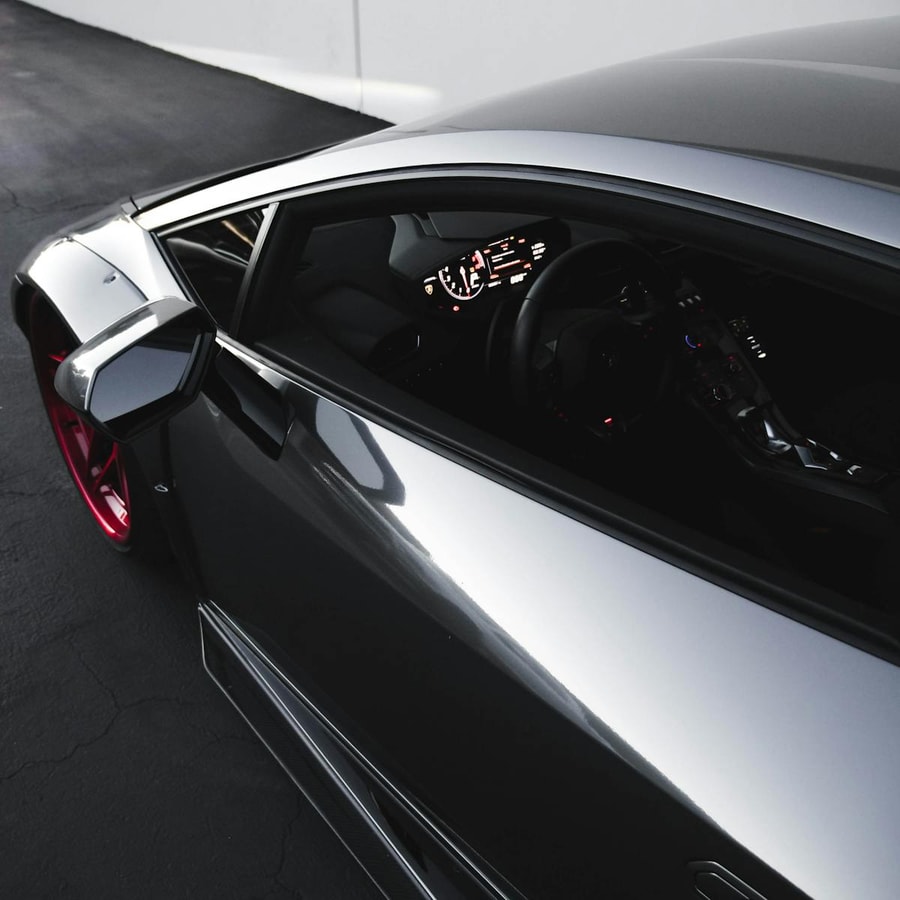
Dealership pitches still lead with horsepower and zero-to-sixty times. Owners talk differently after a year. They mention the update that improved adaptive cruise, the patch that fixed a charging bug, or the new voice command pack that made daily commuting less frustrating. Over-the-air updates quietly changed what it means to buy a modern car.
Extra power is fun on paper. Software determines whether your vehicle stays competent, safe-feeling, and relevant as standards evolve. That is why OTA capability now rivals traditional performance specs for long-term satisfaction.
What OTA updates actually change
Early OTA focused on infotainment: maps, UI skins, app integrations. Today scope is wider on many platforms: driver-assist tuning, battery thermal management, charging curves on EVs, climate logic, and even power delivery in some controlled cases. The car you drive in year three can behave differently than the car you test-drove on day one.
That is powerful when updates are tested and transparent. It is frustrating when changelogs are vague, features move behind subscriptions, or regressions appear without clear fixes.
Not all updates are equal
Cosmetic patches are low risk. Safety-related or chassis-control changes undergo heavier validation and roll out region by region. Automakers split fast-moving infotainment teams from conservative powertrain and ADAS groups for good reason.
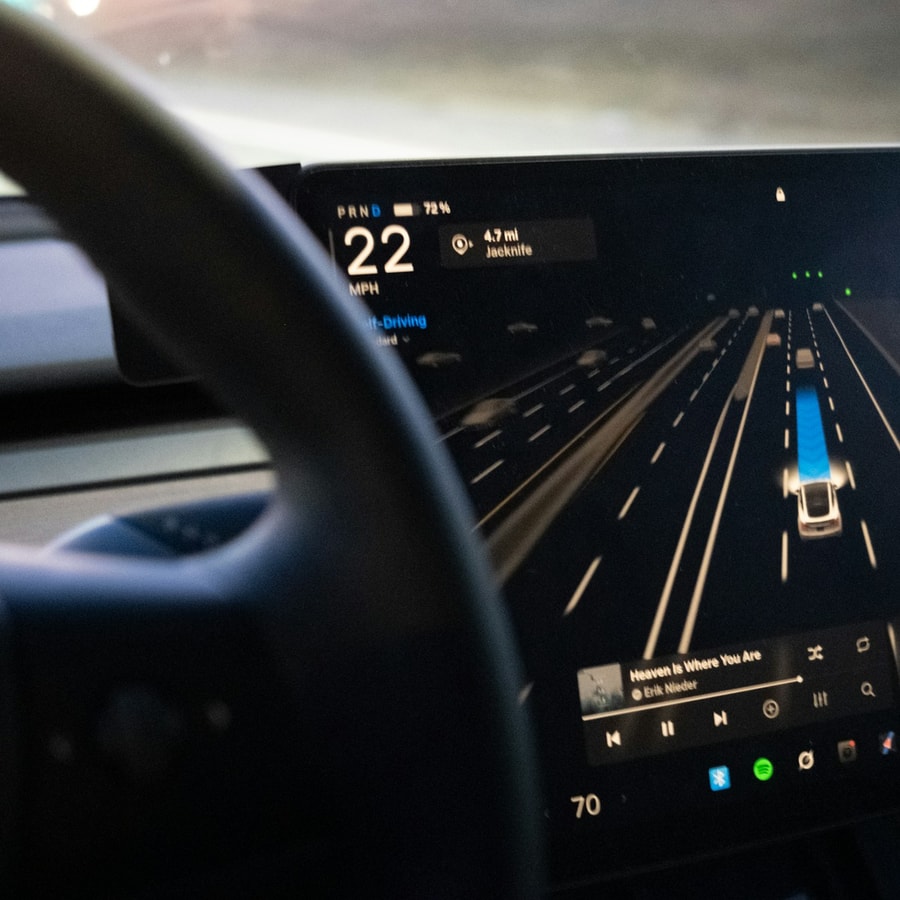
Why horsepower stopped being the whole story
Traffic limits how often you use peak power. Commutes reward smooth throttle mapping, better lane keeping, and stable phone integration. EV buyers prioritize charging speed curves and preconditioning intelligence over another twenty horsepower they rarely access legally.
Resale value increasingly reflects software freshness. A well-supported model with current maps and functional assists holds appeal. A fast car with abandoned software feels older than its odometer suggests.
Real examples owners notice
- Improved adaptive cruise with smoother braking in stop-and-go traffic.
- Refined lane-centering on faded markings after a camera calibration update.
- EV charging improvements that shorten sessions or reduce battery heating.
- Voice and UI fixes that cut distraction compared with launch-day builds.
- Security patches for connected modules that were not top of mind at purchase.
Risks and tradeoffs buyers should understand
OTA requires connectivity and trust. Privacy policies matter when vehicles upload logs. Cybersecurity teams must sign releases and monitor attacks. Owners should know how long free connected support lasts and whether critical fixes remain available after trials end.
Regulatory and liability questions follow when software influences driving behavior. Clear release notes and rollback strategies help, but the industry is still maturing.
How to shop with OTA in mind
Ask dealers or brand support: How many years of included connectivity? Which features need subscriptions? Are safety-related updates free? Has this model received regular patches in prior years? Read owner forums for patterns about update frequency and communication quality.
On a test drive, evaluate baseline behavior, then research whether known issues were fixed OTA. A slower car with active support can be a better buy than a faster car on a stagnant platform.
When horsepower still wins
Track days, towing in mountains, and certain commercial workloads still demand hardware headroom. OTA cannot replace physical brakes, cooling capacity, or motor limits. The point is not that power is irrelevant. It is that software quality increasingly separates good ownership from great ownership for mainstream drivers.
Bottom line
Over-the-air updates matter more than horsepower for most people because daily driving is about refinement, reliability, and staying current—not repeated full-throttle runs. Choose brands that treat software as a long-term commitment. Your future self will care more about the patch that fixed winter charging than the extra ten horsepower you used twice last month.