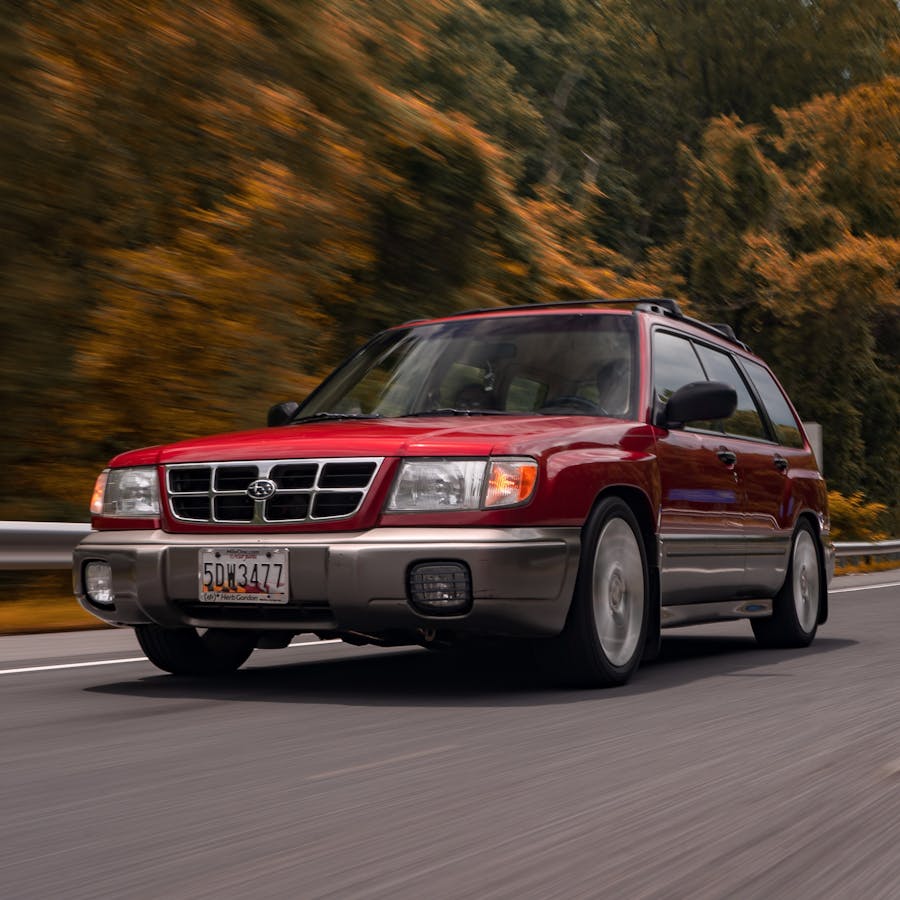
Walk into any dealership lot and you will hear the same assumption: SUVs are thirsty, sedans are sensible, and if you want 35 mpg you should downsize. That story made sense fifteen years ago. It is outdated now. Hybrids went mainstream, turbo downsizing got smarter, and even three-row family rigs can return numbers that would have looked like compact-car territory a decade back.
We are not talking about one miracle model or a lab loop at 55 mph. The SUVs below deliver strong fuel economy in mixed driving—school runs, warehouse-store parking lots, and the interstate slog home. Some use full hybrid systems. Others lean on efficient four-cylinder tuning and aerodynamics. All of them are worth a test drive if your budget includes fuel stops twice a week.
How we judged real-world fuel economy
EPA combined ratings are a useful starting point, but they are not the whole story. We weighted models that keep mpg up when weather turns cold, traffic gets stop-and-go, and you load up passengers and cargo. Hybrids score high because they recover energy in braking. Efficient gas SUVs earn a spot when their highway numbers stay honest at 70 mph and their city ratings do not collapse in winter idling.
Also note trim and drivetrain. All-wheel drive usually costs 1–2 mpg. Bigger wheels and performance packages can erase hybrid gains. The picks below are the trims most shoppers should cross-shop if efficiency is the goal.
1. Toyota RAV4 Hybrid
The RAV4 Hybrid remains the benchmark compact SUV for a reason. Toyota's hybrid system is calm, quick enough for merges, and consistently lands in the low 40 mpg range in mixed use for many owners. All-wheel drive is available without turning the powertrain into a penalty box. Cabin space is family-friendly, resale is strong, and reliability history is a major reason commuters keep choosing it year after year.
2. Honda CR-V Hybrid
Honda's latest CR-V Hybrid closes the gap with Toyota on efficiency while delivering the refined ride and thoughtful packaging CR-V fans expect. It is quiet at cruise, easy to park, and feels less appliance-like than early hybrids did. If your week is suburban errands plus a highway stretch, this is one of the easiest SUVs to live with while keeping fuel costs predictable.
3. Hyundai Tucson Hybrid
Hyundai pushed hard on value and efficiency with the Tucson Hybrid. You get competitive mpg, a well-equipped cabin at common trim levels, and styling that does not scream economy car. It is a smart pick for buyers who want hybrid numbers without paying a luxury-badge premium. Check regional incentives before you sign—Hyundai often stacks finance or lease support that changes the monthly math.
4. Kia Sportage Hybrid
Sharing DNA with the Tucson but wearing its own personality, the Sportage Hybrid delivers similar efficiency with a slightly sportier look inside and out. Infotainment is quick, driver-assist coverage is broad, and the hybrid powertrain feels tuned for smooth takeoffs rather than spec-sheet bragging. For shoppers comparing Korean-brand twins, drive both back-to-back and pick the cabin you prefer.
5. Ford Escape Hybrid
Ford's Escape Hybrid is the efficient choice for buyers who want a familiar American badge and a smaller footprint than Explorer-class SUVs. It is not the roomiest compact on the list, but mpg is strong and the hybrid system is proven in fleet use. Urban commuters and empty-nesters who want easy parking plus low fuel bills should start here.
6. Toyota Highlander Hybrid
Need three rows without punishing yourself at the pump? The Highlander Hybrid is the answer many families land on after cross-shopping larger gas-only utilities. You will not match compact-hybrid mpg, but for a true three-row SUV, high-30s combined territory is a meaningful win. Ride comfort is a priority, road noise is well managed, and Toyota's hybrid tuning keeps the powertrain from feeling strained when the third row is in use.
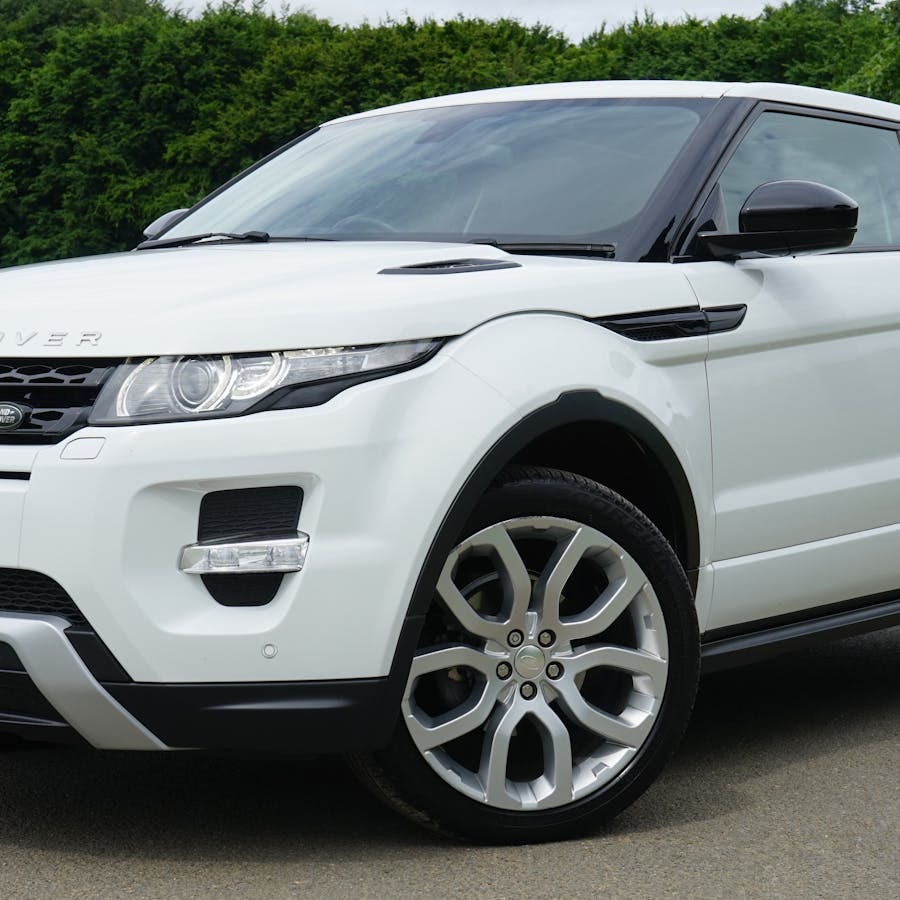
7. Lexus NX 350h
If you want efficiency with a premium cabin, the NX 350h hybrid delivers. Lexus tuning prioritizes smoothness and low stress over sporty handling. Fuel economy is competitive in the compact luxury class, and the ownership experience appeals to buyers who plan to keep a vehicle long-term. Compare lease versus purchase carefully—luxury depreciation can overshadow fuel savings on short ownership cycles.
8. Subaru Crosstrek Hybrid
The Crosstrek Hybrid will not top the raw mpg chart against the RAV4 or CR-V. It earns its place for buyers who need standard all-wheel drive, a raised ride height, and a smaller footprint for tight streets and trailhead parking. Think of it as the efficient choice for outdoor-focused drivers who refuse to give up ground clearance and weather confidence.
9. Nissan Kicks
Not everyone needs all-wheel drive or a hybrid badge. The Kicks is a subcompact SUV that leans on light weight and a sensible powertrain to keep fuel costs low. It is honest transportation: easy to park, affordable to insure, and surprisingly useful for city households that only occasionally need extra cargo space. If your driving is mostly urban, this is one of the simplest ways to keep mpg high on a budget.
10. Mazda CX-30 (2.5 non-turbo)
Mazda's CX-30 with the naturally aspirated 2.5-liter engine is the enthusiast-leaning pick for buyers who want engaging steering without hybrid complexity. EPA numbers are competitive for a non-hybrid, and the cabin feels more premium than the price suggests. You trade ultimate mpg against the hybrids above, but for drivers who care about road feel and still want reasonable efficiency, it is a compelling compromise.
Shopping tips that protect your mpg in the real world
Match the powertrain to your actual miles
If most of your driving is short urban trips, a hybrid or plug-in hybrid can shine. If you live on the highway, compare highway EPA ratings and test at your normal cruise speed. A model that wins in the city can disappoint if your life is mostly 75-mph commuting.
Watch wheel size and roof racks
Big wheels look great on the lot and cost mpg on the road. Roof boxes and permanent crossbars add drag. If efficiency is your priority, keep the aero clean and use smaller wheels when the trim sheet gives you a choice.
Calculate total cost, not just mpg
- Insurance: smaller and mainstream models often cost less to cover.
- Maintenance: hybrids are mature now, but compare warranty length and battery coverage.
- Depreciation: strong resale can matter more than 2 mpg over five years.
The bottom line
SUVs are no longer automatic gas hogs. The ten models here show the spread of sensible choices: compact hybrids that routinely beat 35 mpg combined, a subcompact that keeps costs low, a three-row family option that respects your fuel budget, and even a non-hybrid that still plays the efficiency game with better driving manners. Build a short list based on how much space you truly use, test drive your commute route, and compare trim sheets with the same drivetrain. Do that, and you can drive something tall, useful, and easy to live with—without wincing every time the pump display stops spinning.