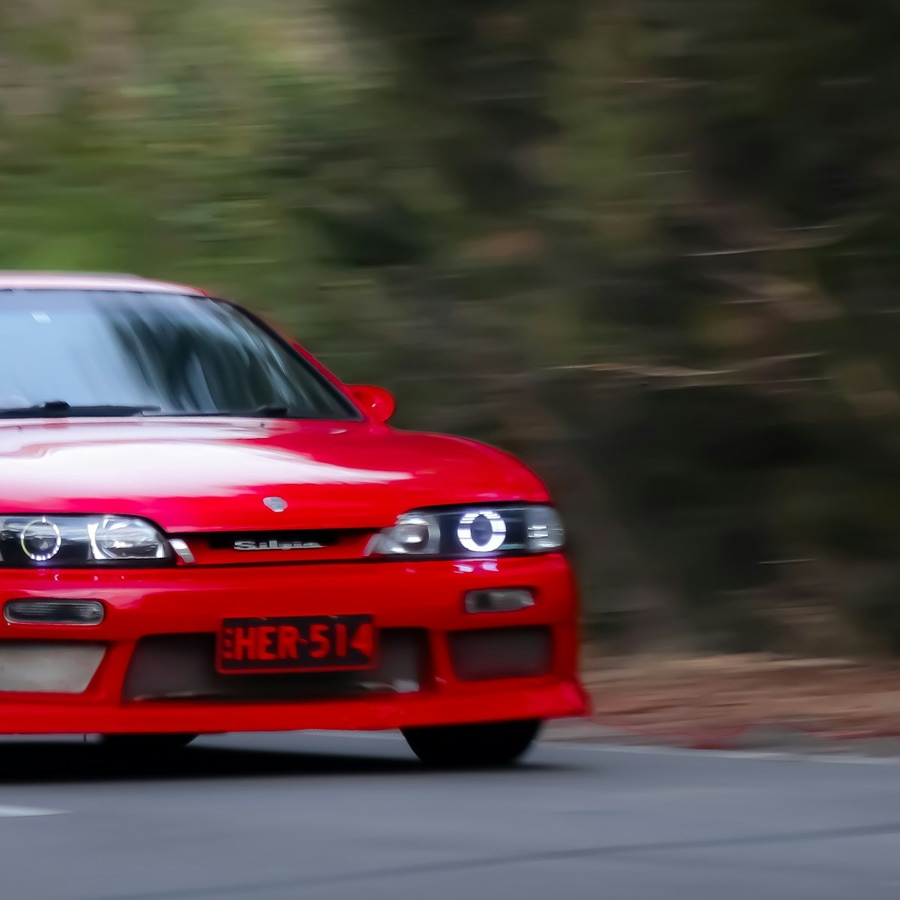
A $20,000 ceiling used to mean compromise hatchbacks and tired sedans. In 2026, the used market is softer on enthusiast cars that were overpriced three years ago, which opens real doors: rear-drive coupes, turbo hot hatches, and lightweight roadsters that still make a back-road feel worth the detour. The trick is not finding something fast on paper. It is finding something you can afford to own after the excitement of the test drive wears off.
Insurance, tires, prior modifications, and neglected maintenance can turn a bargain into a money pit faster than a bad lap time. This guide focuses on models that commonly land under $20,000 with strong parts support, predictable reliability when maintained, and driving personalities that still feel special in daily use.
How we judged the field
We weighted four factors buyers actually feel after 90 days of ownership: purchase value in typical U.S. listings, routine maintenance costs, availability of independent shop expertise, and how much fun remains when you are not on a track. Horsepower matters, but so do steering feel, brake confidence, seat support, and whether the car punishes you for commuting in traffic.
We also separated weekend toys from cars that can serve as only vehicles. A Mazda MX-5 is brilliant, but trunk space is tiny. A Volkswagen GTI is less dramatic, yet it can handle school runs and mountain roads in the same week.
Top picks that consistently hit the budget
Mazda MX-5 Miata (ND and late NC)
The Miata remains the benchmark for affordable fun. Later NC models and early ND cars often sit near the top of a $20,000 search, especially with higher mileage. You buy balance, not brute force: quick steering, modest weight, and a roofline that makes every green light feel optional.
Check for rust on older NC cars, clutch wear on manual examples, and evidence of track abuse. A clean history with regular oil changes matters more than a loud exhaust.
Ford Mustang (EcoBoost and older V6)
Mustang supply is huge, which keeps prices negotiable. EcoBoost models deliver enough torque for highway merges and daily passing without the fuel and insurance jump of a V8. If you are tempted by an older GT near $20,000, budget extra for tires, brakes, and suspension bushings that may be due.
Inspect for reckless modifications, bent subframes from curb hits, and uneven tire wear that hints at alignment issues. A stock or lightly modified car is usually the better buy.
Chevrolet Camaro (V6 trims)
The Camaro V6 offers coupe presence and stable highway manners without the ownership spike of SS models. Trunk access is tight, but as a second car or enthusiast commuter it works. Look for good service records on cooling systems and transmissions, especially on higher-mileage examples.
Subaru BRZ / Toyota 86
These twins prioritize chassis balance over horsepower. They are ideal if you want a car that teaches smooth inputs and rewards line choice on twisty roads. Many were modified; prefer stock or professionally tuned setups with documented changes.
Pre-purchase focus areas include clutch shudder on early manuals, rear main seal leaks, and any signs of track-day cooling upgrades done poorly. A clean, unmodified car is often the smartest long-term play.
Nissan 370Z
The 370Z brings a proper V6 soundtrack and strong straight-line pace. Under $20,000 usually means higher miles or older model years, so pay attention to transmission behavior on automatics and synchro feel on manuals. Oil consumption and tire costs can be higher than compact sports cars, but the driving reward is real.
Volkswagen Golf GTI (Mk7)
If you need one car that does everything, the GTI still wins. It is quick, practical, and comfortable on long drives. Many examples under $20,000 have urban ownership histories, so verify maintenance at recommended intervals, water pump and thermostat service where applicable, and any ECU tune history.
Honorable mentions worth cross-shopping
BMW 228i or 328i (older F-generation): Engaging steering and strong brakes, but out-of-warranty repair costs can sting. Buy only with proof of recent maintenance and a pre-purchase inspection from a BMW-aware shop.
Hyundai Genesis Coupe (2.0T or 3.8): Lots of car for the money, though the brand still carries unfair resale bias. Rust and front-end wear items should be checked carefully on older examples.
Mini Cooper S (third generation): Go-kart feel in a small package. Timing-chain and cooling issues make a thorough inspection non-negotiable.
Models to approach carefully under $20,000
High-performance variants with heavy track use, salvage titles, or incomplete modification projects are where budgets explode. Older Porsche Boxster and Cayman examples can be tempting, but deferred maintenance costs often push real ownership above the sticker price. Likewise, ultra-high-mileage V8 muscle cars may look affordable until tires, brakes, and driveline refreshes arrive in the same month.
Pre-purchase checklist for any sports car
- Pull history reports and match VIN records to advertised trim and engine.
- Scan for accident repairs with panel-gap checks and paint meter readings where possible.
- Test on your roads including cold start, highway cruise, and a tight low-speed turn.
- Listen for drivetrain noises under load, not just at idle in a parking lot.
- Verify title status and avoid deals that skip inspection for speed.
- Quote insurance first with your actual ZIP code before you commit emotionally.
Ownership costs buyers forget
Performance tires for coupes can cost twice as much as economy sedan rubber, and they wear faster if alignment is off. Brake fluid, pads, and rotors on heavier cars add up after spirited driving. Fuel premium requirements on some turbo models matter for monthly math. Set aside a post-purchase fund for fluids, filters, and a baseline inspection even if the car passes a short test drive.
Which one should you buy?
Choose the Miata or BRZ/86 if pure handling and simplicity matter most. Pick the Mustang or Camaro if you want coupe style and easy highway cruising. Grab the GTI if you need daily practicality with hot-hatch pace. Choose the 370Z if you want a more aggressive V6 experience and accept higher running costs.
In 2026, the best used sports car under $20,000 is not a single badge. It is the cleanest example of the type you will actually drive. Buy the maintenance story, not just the horsepower number, and you will end up with a car that stays fun long after the first month.