
If your week is mostly school runs, highway on-ramps, and grocery-store parking lots, the midsize sedan question is not about lap times. It is about whether the car disappears into your routine: smooth starts, predictable fuel stops, quiet cabins, and tech that works on the first tap. That is exactly where the 2026 Toyota Camry Hybrid has built its reputation for more than a decade.
We spent a full week with the updated 2026 Camry Hybrid on mixed roads—city grids, suburban arterials, and a long interstate stretch—to see whether it still deserves the default daily-driver label. The short answer: for many buyers, yes. The longer answer involves sharper competition, a more assertive driving feel, and trim choices that matter more than ever.
What changed for 2026
Toyota did not reinvent the Camry for 2026, but the updates are meaningful where owners actually notice them. Exterior styling is sharper, with a lower nose and cleaner body lines that help the sedan look less appliance-like in traffic. Inside, material quality steps up on mid and upper trims, and the latest infotainment stack responds faster than the previous generation.
The hybrid powertrain remains the headline. Toyota continues to prioritize efficiency and smoothness over outright performance, which is the right trade for a daily driver. All-wheel drive is available on select hybrid grades in many markets, a practical addition for buyers in snow-belt states who want sedan efficiency without giving up winter confidence.
Hybrid powertrain: smooth, efficient, and easy to live with
On the road, the Camry Hybrid feels calibrated for calm commuting. The handoff between electric assist and gasoline power is nearly seamless in normal driving. Around town, the car often moves on electric torque alone at low speeds, which keeps cabin noise down and makes stop-and-go traffic less tiring.
Fuel economy in our mixed-use loop landed in the high-40 mpg range without hypermiling. That is still segment-leading territory for a non-plug-in sedan. If your commute is mostly highway, you will see slightly lower numbers, but the hybrid system still recovers energy effectively on rolling terrain and off-ramp deceleration.
Does it feel slow?
Not in daily terms. The Camry Hybrid is not a sport sedan, and it will not push you into the seat under hard throttle. But for merging and passing, response is adequate when you select the more assertive drive mode. Most owners will leave it in the default setting and enjoy the relaxed pedal mapping that makes traffic flow feel natural.
Ride, handling, and comfort
Comfort remains a core Camry strength. The suspension filters broken pavement well without feeling floaty, and body control is composed on highway sweepers. Road noise is well managed for the class, especially at steady cruise speeds where tire hum and wind rush stay in the background.
Steering is light and accurate enough for parking structures and tight neighborhood turns. Enthusiasts may want more feedback, but that is not the mission here. The Camry Hybrid is tuned to reduce driver fatigue over long weeks, and it succeeds.
Cabin, tech, and practicality
Front seats offer a good blend of support and cushioning for both short hops and two-hour stints. Rear-seat space is competitive for adults, with usable toe room and a comfortable cushion angle. Trunk volume is strong for the class, and the wide opening makes loading strollers, luggage, or warehouse-store runs straightforward.
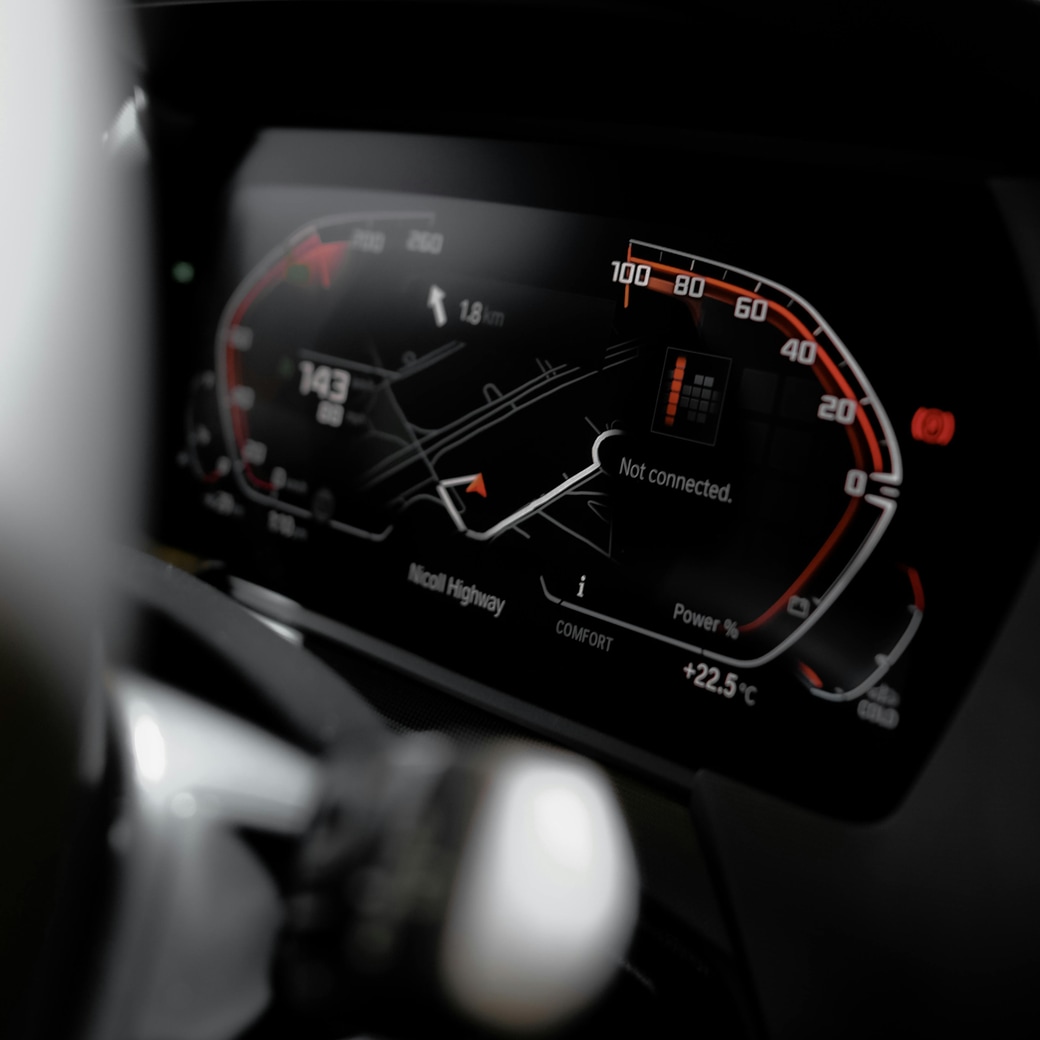
Infotainment includes wireless phone integration on most trims buyers will cross-shop, plus improved voice recognition for climate and navigation commands. Physical climate controls are still present, which sounds minor until you have tried adjusting temperature through nested menus at 65 mph. Safety tech is comprehensive, with adaptive cruise, lane support, and intersection-aware aids that feel tuned for real roads rather than demo loops.
Ownership costs and reliability expectations
Camry resale value and reliability history remain major reasons shoppers keep coming back. Routine maintenance is predictable, and hybrid battery concerns are less of a barrier than they were a decade ago thanks to long warranty coverage and strong fleet data. Insurance and fuel costs typically land lower than comparable turbo sedans, which matters when you are budgeting a household commuter.
Where buyers should pay attention is trim packaging. The base hybrid is efficient and sensible, but mid trims often deliver the best value because they add the safety and comfort features families actually use daily—heated seats, better audio, power driver seat, and upgraded driver-assist settings.
Who should buy the 2026 Camry Hybrid
This sedan is ideal if you want low-drama transportation with excellent mpg, a comfortable ride, and proven long-term dependability. It fits commuters, small families, and anyone replacing an aging sedan who does not want to jump into an SUV footprint.
You may want to cross-shop if you prioritize sporty handling, maximum rear-seat space, or a more premium cabin at the same price point. Several rivals now offer competitive hybrid efficiency and stronger performance tuning. None of them fully match the Camry package for all-around ease, but the gap is narrower than it was three years ago.
Verdict: still the best daily driver?
For the typical owner who values efficiency, comfort, and low ownership stress, the 2026 Toyota Camry Hybrid is still the benchmark daily driver in the midsize sedan class. It is not the most exciting car on the road, and it does not try to be. It is the one that makes a busy week feel simpler—fewer fuel stops, fewer surprises, and a cabin that stays pleasant mile after mile.
If your driving is mostly practical, the hybrid Camry remains the smart default. Test drive two trims before you sign, confirm the driver-assist features you want, and compare lease or finance offers against rivals. Do that, and you will likely end up right back in this sedan, keys in hand, wondering why you ever considered anything more complicated.