Used electric vehicles look like the deal of the decade on listing apps: low fuel costs, quick acceleration, and prices that finally undercut comparable gas cars. Then you notice the fine print in owner forums: replaced modules, slow fast-charging sessions, range that shrinks in winter, and software features that disappeared after a repair. The savings are real, but so are the risks if you shop like it is a normal used sedan.
This guide covers hidden problems that rarely show up in a five-minute test drive, yet dominate ownership costs later. Bring patience, a charging plan, and a willingness to verify data—not just paint depth.
Battery health is not one number
State of health reports help, but they are not perfect. Some systems estimate capacity from limited data, while others reflect recent driving patterns more than true degradation. Ask for documented fast-charge history, frequent DC charging in hot climates, and whether the pack ever triggered warnings.
Signs of concern include unusually high estimated degradation for age, sudden range drops after software updates, and sellers who cannot explain prior battery warranty work. A professional EV inspection with scan data is worth the cost on higher-mileage cars.
Thermal and charging habits matter
Batteries age faster with repeated high-speed DC charging, especially in heat. Fleet cars, ride-share histories, and always-fast-charge owners can look fine cosmetically while carrying harder battery use. Prefer examples with balanced home Level 2 charging and moderate DC use when possible.
Onboard charger and charging port issues
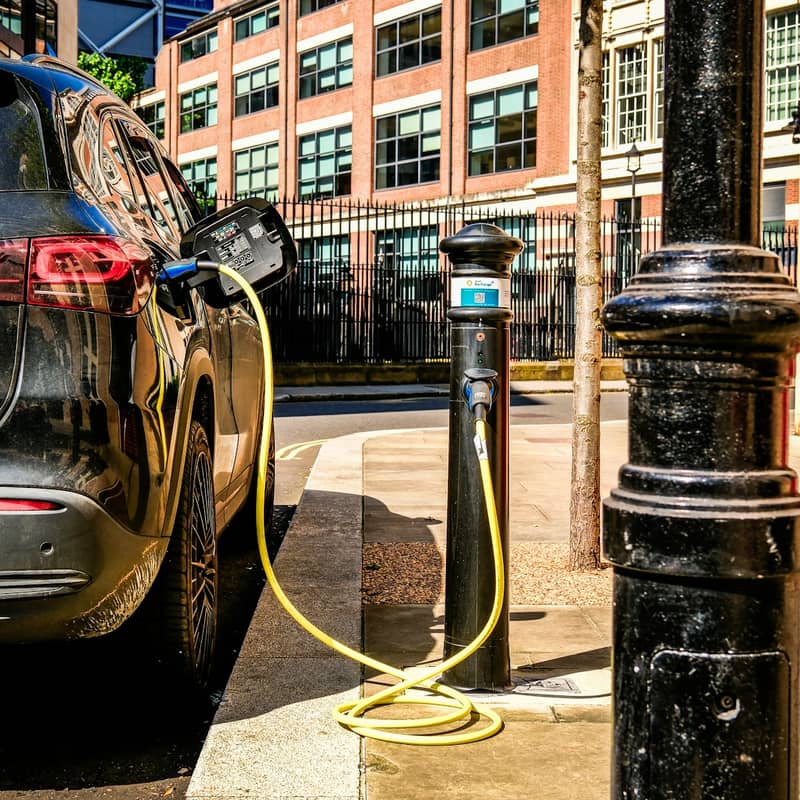
Not every problem is the high-voltage pack. Onboard AC chargers fail, charge ports develop intermittent faults, and cables can show overheating marks. Test both AC and DC charging before purchase if possible. Confirm the car reaches expected AC power on a known home or Level 2 station, not just that a dash light turns on.
Check charge-port door alignment, moisture intrusion, and error messages during a timed session. Repairing charging hardware can be expensive depending on model and parts availability.
DC fast-charging speed and curve behavior
Two identical models can charge differently depending on battery temperature, state of charge, and software. A healthy pack should ramp predictably within manufacturer norms. If the seller avoids DC testing, treat that as information. Slow fast charging on a warm battery can indicate degradation or cooling-system issues.
Also confirm charging network compatibility in your region. Adapters help, but not every standard is supported on every vehicle without compromise.
High-voltage component and coolant system problems
EVs rely on cooling loops for batteries, inverters, and sometimes chargers. Low coolant, pump failures, or sensor faults can trigger power limits. Listen for unusual pump noises, watch for overheating warnings on a longer drive, and review service records for cooling-related repairs.
Collision history matters more than many buyers assume. Even minor rear or underbody impacts can affect high-voltage routing, sensors, or structural protection. Inspect underbody shields and alignment marks during a qualified inspection.
12-volt battery and low-voltage gremlins
EVs still depend on a 12-volt system for locks, computers, and contactors. A weak 12-volt battery causes bizarre errors that look like major failures. If the car reboots randomly, throws multiple warnings, or fails to wake cleanly, test the low-voltage battery and charging circuit before assuming the traction pack is bad.
Software, recalls, and feature ownership
Used EVs can lose access to connected features if accounts are not transferred correctly. Verify infotainment login status, mobile app pairing, and whether paid driver-assist packages transfer with the sale. Run recall checks and confirm the latest stable software is installed.
Avoid cars with incomplete recall work unless you have a clear plan and price adjustment. Some updates improve charging behavior; others change range estimates without hardware changes.
Brake, tire, and suspension wear patterns
Regenerative braking reduces pad wear, but EVs are heavy. Uneven tire wear, bent wheels, and worn suspension components are common on high-mileage examples. Budget for quality tires rated for the model weight and speed rating, not the cheapest set that fits.
Title, warranty, and battery coverage traps
- Remaining battery warranty by in-service date and mileage cap.
- Salvage or rebuilt titles that void high-voltage coverage.
- Imported models with different charging standards or software regions.
- Aftermarket modifications to charging, suspension, or battery cooling.
- Fleet disclosures missing from private-party listings.
Used EV inspection checklist
- Scan for high-voltage fault codes and recent history clears.
- Perform a real AC charge test and a DC session when possible.
- Compare displayed range at a known state of charge against model norms for climate.
- Review service records for battery, charger, and cooling repairs.
- Check underbody and charge-port condition for impact or corrosion.
- Confirm software, recalls, and transferable connected features.
When a used EV is still a smart buy
Clean history, documented charging habits, healthy fast-charge performance, and remaining battery warranty can make a used EV an excellent value. The goal is not to avoid electric cars. It is to avoid expensive surprises by verifying the systems that make them different from gas models.
Shop slower than you would for a used compact sedan. Test charging, read the data, and pay for expertise when the price is tempting. The right used EV can be low-stress and inexpensive to run; the wrong one just moves the fuel bill into the battery bill.