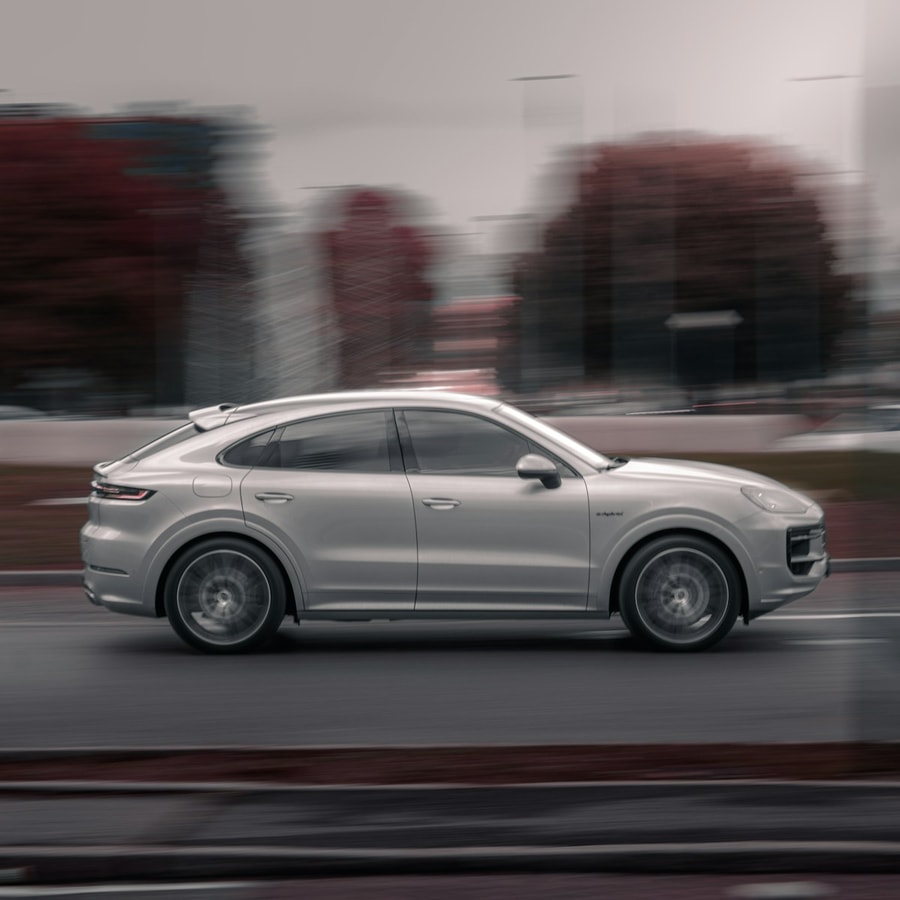
Compact luxury SUVs are supposed to make commuting easier while still rewarding a weekend detour. The Porsche Macan and Audi Q5 both promise that balance, but they interpret it differently. One feels like a sports car wearing SUV proportions. The other feels like a refined all-rounder that rarely raises its voice.
We compared them the way most owners will actually drive: mixed city traffic, highway cruising, quick lane changes, and parking structures where steering weight and visibility matter as much as straight-line pace.
First impressions behind the wheel
The Macan communicates intent early. The steering is quicker, the body feels tied down, and throttle response in typical sport-oriented trims encourages a faster pace without drama. You sit slightly lower, and the controls suggest the car wants input.
The Q5 greets you with calm. Steering is lighter at parking speeds, ride quality is forgiving on broken pavement, and the cabin emphasizes smooth progress. It does not push you to drive hard, but it makes long sessions feel effortless.
Steering, handling, and confidence
If your priority is road feel, the Macan wins for most drivers. Turn-in is crisp, body roll is well controlled, and the chassis gives you a clear sense of grip without harshness on decent roads. It is the better choice if you enjoy on-ramps and twisty suburban connectors.
The Q5 prioritizes predictability. It handles competently and safely, with strong stability in rain and a relaxed attitude in highway sweepers. You can drive it quickly, but the reward is composure, not playfulness. Families who want stable lane behavior without firm suspension will prefer the Audi.
Brakes and traction behavior
Both SUVs offer strong braking for the class. The Macan feels more immediate under initial pedal pressure, which suits spirited driving. The Q5 modulation is gentler, which passengers appreciate in stop-and-go traffic. All-wheel-drive systems on both are effective in wet conditions, though tire choice still dominates real-world grip.
Ride comfort and noise
The Q5 is the more comfortable daily companion on rough pavement. It filters sharp impacts better and keeps cabin noise lower at steady cruise speeds. Rear-seat comfort and seat support are strong for longer trips.
The Macan can ride firmly depending on wheel size and suspension spec. It is never punishing on good roads, but large wheels and sport tuning can add busyness over expansion joints. Buyers should test the exact trim they plan to buy, not a base demo car on soft settings.
Powertrains and real-world pace
Engine options vary by year, but the Macan generally feels more eager off the line when equipped with performance-oriented powertrains. The Q5 focuses on smooth torque delivery and quiet acceleration. Highway merging is easy in both; the difference is character. Macan encourages engagement, Q5 encourages relaxation.
Fuel economy and maintenance costs should be part of the decision. Performance trims on either brand can increase tire and brake wear. If you mostly commute solo, a mid-level engine often delivers the best blend of response and running costs.
Cabin, tech, and usability
Audi interior design is logical and tech-forward, with strong material consistency and excellent infotainment integration in recent generations. Controls are intuitive, storage is practical, and visibility is good for the class.
Porsche cabins feel driver-centric, with a sporty layout and emphasis on primary controls. Infotainment has improved substantially, though some owners still prefer Audi menu structure for quick adjustments while moving. Cargo space is competitive, but neither SUV is a packaging champion compared with mainstream crossovers.
Ownership outlook
Both brands carry premium ownership costs once warranties expire. The Q5 often feels like the lower-stress choice for buyers who want comfort and dealer familiarity in many markets. The Macan appeals to drivers who value chassis tuning and are willing to pay for that experience.
Resale, insurance, and local service access vary by region. Before choosing, compare three-year cost estimates for your trim and mileage pattern, not just monthly payment.
Who should choose the Macan
- Drivers who want SUV utility with coupe-like response
- Owners who enjoy spirited on-ramp pace and accept firmer ride options
- Buyers prioritizing steering feel over maximum rear-seat softness
Who should choose the Q5
- Families wanting calm refinement and a comfortable daily ride
- Commuters covering long highway miles who value low fatigue
- Shoppers who prefer predictable handling and strong tech usability
Verdict: which SUV feels better to drive?
If better to drive means more engaging, responsive, and confidence-inspiring on your favorite roads, the Porsche Macan wins. If it means smoother, quieter, and easier over long mixed-use weeks, the Audi Q5 is the smarter fit.
There is no wrong answer, only a mismatch with your routine. Drive both on your actual commute, bring your passengers, and choose the chassis personality you will still enjoy after the novelty fades. That is where this rivalry becomes an easy personal decision.