Pickup buyers talk a good game about towing numbers and bed length, but owner forums tell a different story after the first hard winter. The trucks people keep—and recommend to friends—are the ones that start every morning, shrug off rough roads, and do not spend half the year in a service bay. Reliability is not a brochure claim. It is what happens when you depend on the truck for work, family, and miles you cannot skip.
We looked at long-term owner satisfaction patterns, mainstream reliability surveys, and recurring themes from high-mileage listings to see which pickups consistently earn trust. No list is perfect, but several models show up again and again when owners describe peace of mind rather than excitement.
What owners mean by reliable
In pickup culture, reliable usually blends three ideas: mechanical durability, low unplanned downtime, and predictable running costs. A truck can be powerful yet frustrating if the transmission shudders, the infotainment freezes, or rust appears early on the bed. Owners reward models that handle heat, cold, towing cycles, and bad fuel without drama.
Survey data and warranty claim trends help, but owner language matters too. Phrases like still on original drivetrain, never left me stranded, and cheap to keep going are the real scorecard.
Full-size trucks owners praise most
Toyota Tundra
The Tundra is not always the segment leader in towing or fuel economy, yet it remains a reliability favorite in owner circles. Conservative engineering, strong resale values, and a reputation for surviving heavy use make it a default recommendation for buyers who plan to keep a truck ten years or more. Many owners report high-mileage confidence when maintenance is done on schedule.
Ford F-150 (recent generations, well maintained)
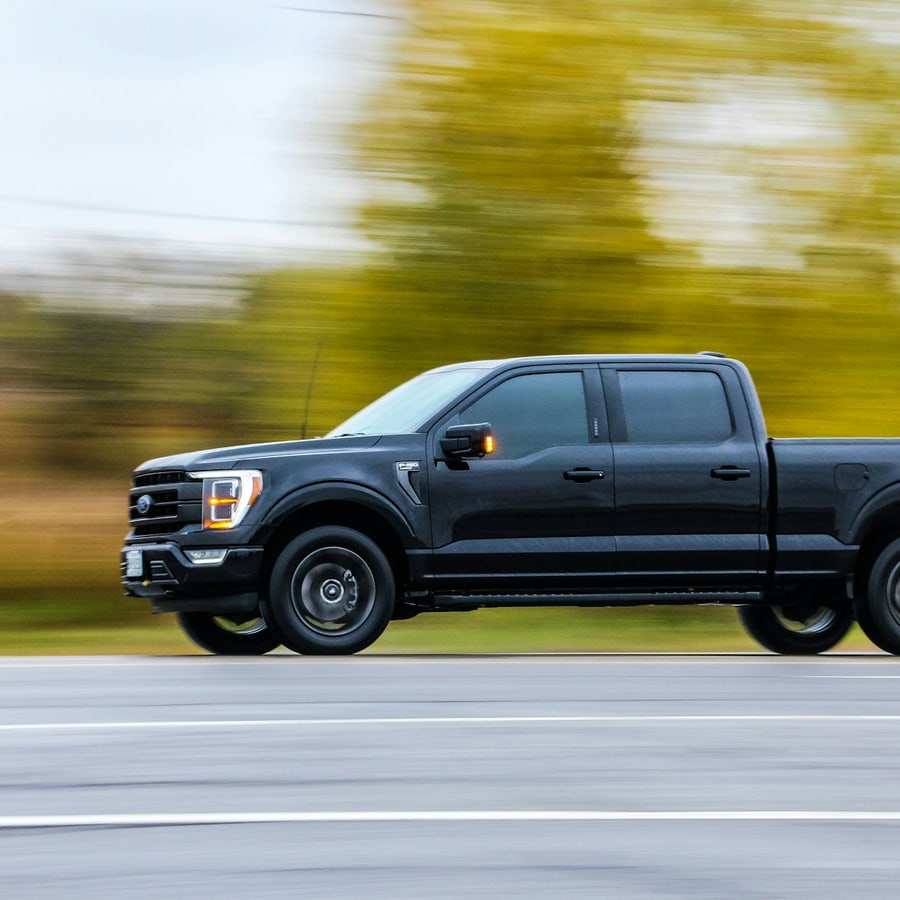
The F-150 sells in huge numbers, which cuts both ways: more data, but also more variance. Owners who stick with mainstream trims and avoid neglected fleet trucks often report strong satisfaction. The key is history. A documented service record matters more than any badge on the tailgate.
Chevrolet Silverado 1500 and GMC Sierra 1500
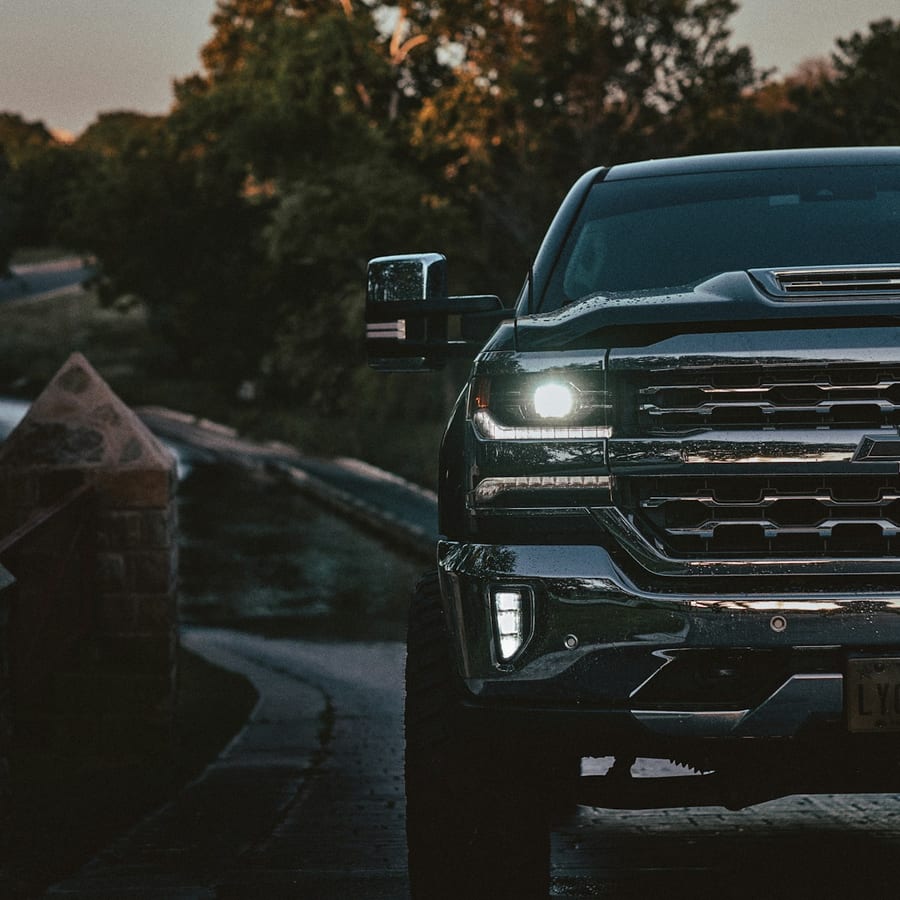
GM twins earn loyal followings when equipped with the right powertrain for the job. Owners who tow regularly should research transmission and rear-axle pairing before buying. When matched properly and maintained, these trucks are described as comfortable highway cruisers with capable towing manners.
Ram 1500 (select years and trims)
Ram wins comfort awards, and many owners love the ride quality. Reliability opinions split by model year and engine choice. Shoppers should focus on examples with consistent maintenance and avoid trucks with unclear modification histories. A smooth test drive is not a substitute for a pre-purchase inspection.
Midsize trucks with strong owner reputations
Toyota Tacoma
The Tacoma is the textbook answer when buyers ask for a smaller truck that holds value. Owners accept older infotainment and tighter rear-seat space because the truck feels tough and market-proof. Off-road trims are popular, but even base models earn praise for durability when rust prevention is handled in salty climates.
Honda Ridgeline
The Ridgeline is different by design, with unibody construction and a car-like ride. Owners who want a daily-friendly pickup often rate it highly for reliability and ease of ownership. It is not the choice for maximum payload bragging rights, but it is a smart pick for suburban hauling and light towing.
Ford Ranger and Chevrolet Colorado/GMC Canyon
These trucks fill the gap between compact utility and full-size capability. Owner satisfaction is generally solid on newer generations when buyers choose trims suited to real workloads rather than appearance packages alone.
Why owner reports beat spec-sheet shopping
Brochures focus on best-case towing with ideal conditions. Owners live with cold starts, short trips that never warm the engine, trailer sway in crosswinds, and parking-lot dings. Trucks that remain dependable under mixed use rise to the top in long-term reviews because they match real life.
Another factor is parts availability. High-volume models benefit from affordable consumables and shop familiarity. That reduces downtime when something does wear out, which owners mentally file under reliability even if it is really service convenience.
Red flags owners warn about on any truck
- Salvage or rebuilt titles unless you fully understand the repair quality.
- Heavy tune files without supporting fueling and cooling upgrades.
- Unclear towing history on older transmissions and rear differentials.
- Rust on frames and beds in northern states, even on reputable brands.
- Deferred fluid services on trucks advertised as highway miles only.
How to buy a reliable pickup in practice
Start with your real use case: daily mileage, max trailer weight, climate, and how long you plan to keep the truck. Then shop the newest example of a proven model you can afford, not the most powerful engine in the budget. Pay for a professional inspection, verify oil and transmission service intervals, and test drive on the same roads you use weekly.
Reliable pickups are rarely secrets. They are well-known models owned by people who service them on time and drive them within reason. Follow owner wisdom, buy the maintenance story, and you are far more likely to end up with a truck that earns recommendations instead of complaints.