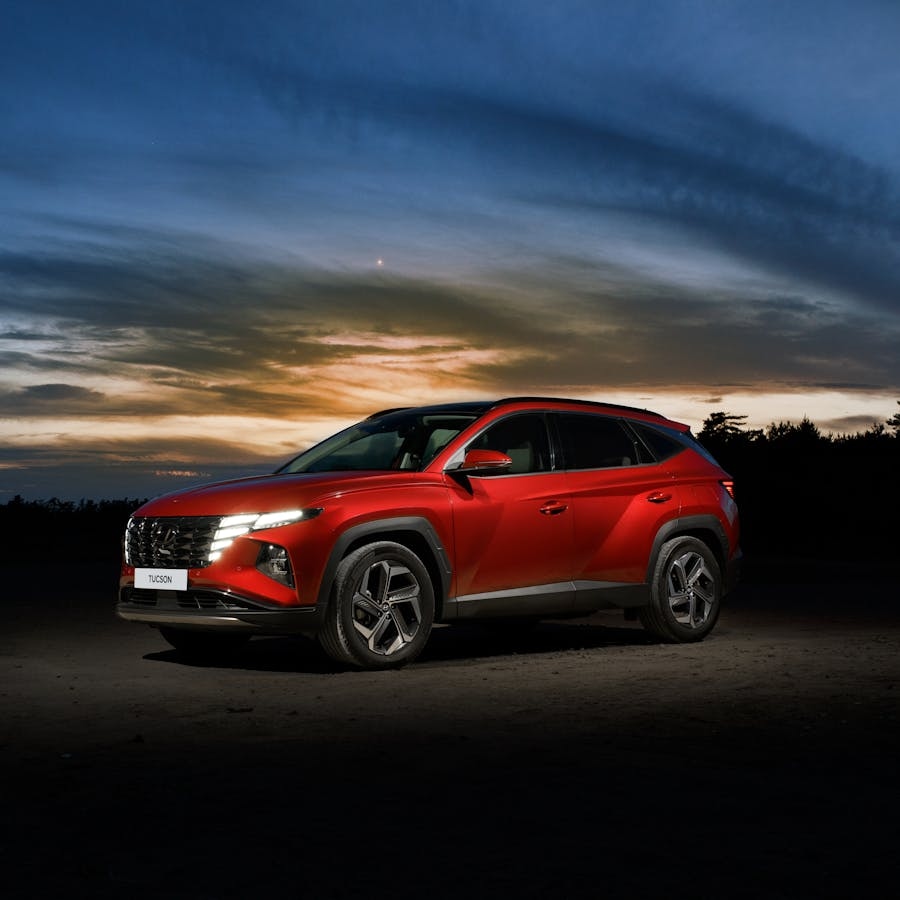
When you are hauling kids, groceries, and the occasional golden retriever, safety stops being a brochure bullet and becomes a weekly negotiation with traffic. The good news for 2026 shoppers is that the best family vehicles no longer ask you to choose between space and protection. Crash structures improved, standard driver-assist suites matured, and rear-seat reminders finally became normal instead of optional afterthoughts.
We focused on models families actually buy—three-row SUVs, spacious crossovers, and minivans—then ranked them on crash-test performance, standard active safety tech, visibility, and how confidently the assists behave in real commuting, not just on a closed course.
What counts as a great safety package in 2026
Top safety today is more than airbag count. Look for strong results from major testing programs, automatic emergency braking that works well at city speeds, lane support that does not fight you on gentle curves, and adaptive cruise that handles stop-and-go without jerky surges. Rear-seat alerts, blind-zone monitoring with trailer-aware logic, and clear camera views matter when parking lot chaos peaks at Saturday soccer.
Also check trim sheets. Base models may look affordable while leaving out the camera and assist bundle you assumed was standard. For family duty, buy the trim that includes full driver-assist and good rear-seat side protection.
1. Volvo XC90
Volvo still treats safety as a core brand promise, not a marketing line. The XC90 combines a rigid structure, thoughtful child-seat mounting, and assists that feel calibrated for suburban speeds. The cabin is calm, visibility is strong for the class, and the overall vibe is reassuring rather than flashy—exactly what many parents want.
2. Toyota Highlander
The Highlander is the pragmatic family default for a reason. Toyota Safety Sense coverage is broad on trims families cross-shop, resale is strong, and the hybrid version adds efficiency without sacrificing the structural integrity that helped it score well in crash testing. It is not the most exciting drive, but it is predictable in the best sense.
3. Honda Odyssey
If you need sliding doors, wide openings, and cabin flexibility, the Odyssey remains the minivan benchmark. Low step-in height, excellent side-impact protection for rear passengers, and assists that are easy to understand make it a smart pick for multi-kid households. Do not overlook how much stress a good minivan removes from tight parking lots.
4. Subaru Ascent
Standard all-wheel drive and strong visibility help the Ascent on wet school-run mornings. EyeSight behavior is generally conservative, which some drivers love and others find overly cautious. If your life includes snowy approaches and gravel camp roads, this is a compelling family rig with a safety story built around traction and awareness.
5. Mazda CX-90
Mazda pushed upmarket with the CX-90, and safety tech came along for the ride. Structure feels solid, steering is accurate, and driver-assist alerts are comparatively restrained. Families who want something nicer than a basic appliance crossover without jumping to a luxury invoice should test this one early.

6. Hyundai Palisade / Kia Telluride
These Korean three-row siblings pack a lot of standard equipment for the money. Blind-zone aids, intersection-aware braking, and comprehensive airbag coverage show up on trims buyers actually find on lots. Compare both cabins and ride tuning, but from a safety standpoint they belong on the same short list.
7. Chevrolet Traverse (latest generation)
The updated Traverse improves structure and tech integration compared with older models. Rear-seat space is generous, cameras are sharp, and GM driver-assist bundles are more consistent than they were a few product cycles ago. If you are stepping up from an aging crossover, the safety delta is noticeable.
8. Ford Explorer
Explorer sales stay strong because the package is familiar: three rows, towing capability, and a robust assist suite on common trims. Pay attention to wheel and tire packages—big wheels look great but can affect braking distances and ride comfort. For safety-focused families, mid trims often hit the sweet spot.
9. Chrysler Pacifica
The Pacifica is the wildcard that wins on usability. Stow n Go seating, available plug-in hybrid efficiency, and a long list of family-oriented details make daily life easier. Safety scores and assists are competitive, especially if you prioritize minivan practicality over SUV styling trends.
10. Tesla Model Y (with latest software)
The Model Y earns a place because crash performance and active safety features are strong, plus the camera-heavy approach helps in tight parking environments. The caveat is learning curve: regenerative braking feel, screen-heavy controls, and software-dependent behavior mean you should schedule a real family test drive before committing.
How to shop smarter for family safety
Test with your real passengers
Bring car seats, measure third-row access, and simulate your tightest garage maneuver. A model that scores well on paper can still fail your daily routine if belts are hard to reach or the third row is only for small kids.
Ask about software and sensors
- Calibration costs: minor bumper repairs can require sensor recalibration on modern cars.
- Subscription features: confirm which assists are included long-term.
- Tire quality: fresh, appropriate tires improve braking more than many option packages.
Bottom line
The safest family car is the one that fits your life and stays well maintained. In 2026, you do not need a luxury badge to get excellent crash protection and useful driver assists. Shortlist models with strong test results, verify the trim includes the full assist suite, and drive the routes you actually use. Do that, and you will end up with a family vehicle that feels protective every day—not just on the day you sign the paperwork.