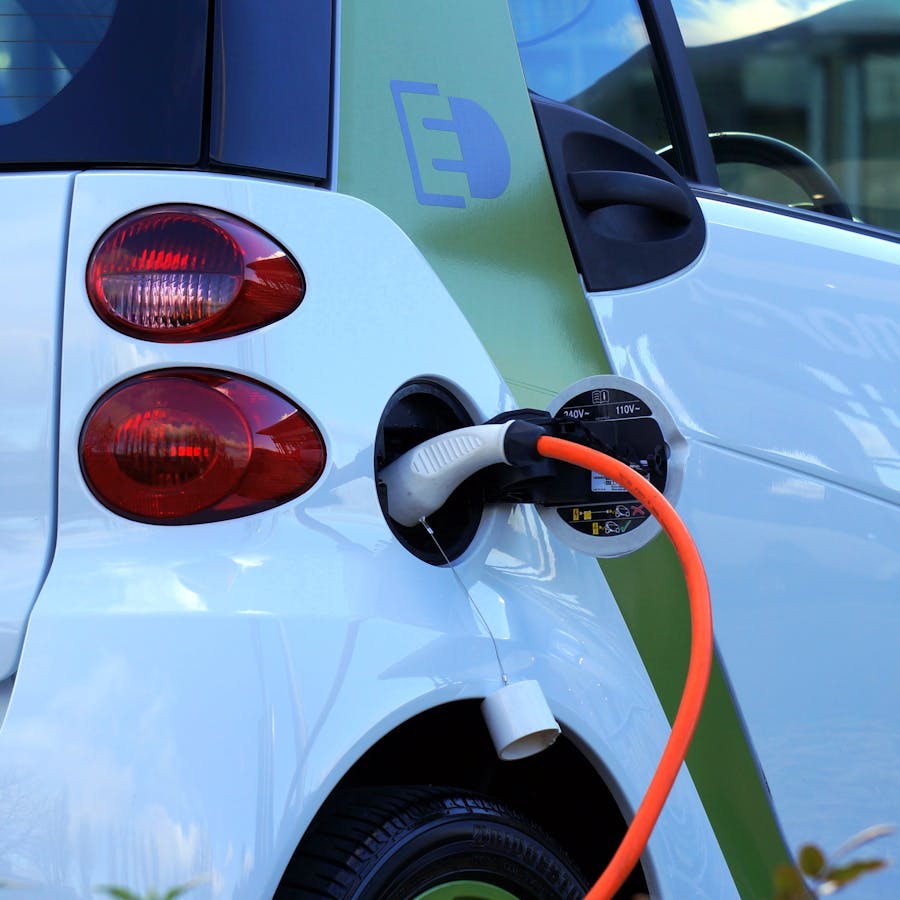
Plug-in hybrids were supposed to be the compromise everyone loved: electric commuting during the week, gasoline freedom on road trips, and no range anxiety headlines. In 2026, the category is mature, incentives shifted, and full EV charging got easier in many cities. So are PHEVs still worth buying, or are they the most complicated way to own one car?
The honest answer is situational. A PHEV can save real money and emissions if you plug in consistently. It can also behave like a heavier gas hybrid if you never charge—then you paid for a battery you barely use. Your driveway, electric rate, and weekly mileage decide the verdict more than any single model badge.
How PHEVs work in real life
A plug-in hybrid combines a smaller battery (often 20–50 miles of electric range), an electric motor, and a gasoline engine. When the battery is depleted, the car operates as a conventional hybrid or gas vehicle depending on design. The win is simple: short trips can run mostly on electricity, while longer journeys do not require charging stops.
The loss is complexity. You maintain two power paths, carry extra weight, and need to understand charging speeds, cable types, and sometimes separate maintenance schedules for cooling systems tied to the battery pack.
When a PHEV is absolutely worth it
You have reliable home charging
Garage or driveway Level 2 charging is the best PHEV scenario. If you plug in nightly, you can cover school runs, commutes, and errands on electricity while keeping gasoline for weekend trips. Fuel bills drop sharply, and brake wear often improves thanks to regenerative blending.
Your daily miles fit the electric range
If your routine is 25–35 miles per day and the model you choose covers that on a full charge, you may visit gas stations monthly instead of weekly. Look at real electric range in cold weather, not just the optimistic label. Winter can trim EV miles 20–40 percent depending on climate and cabin heating habits.
You want EV benefits without full EV logistics
Apartment dwellers with workplace charging, mixed rural driving, or households with one car and varied trip lengths often find PHEVs easier than full EVs. You get partial electrification without planning every long drive around fast-charger availability.
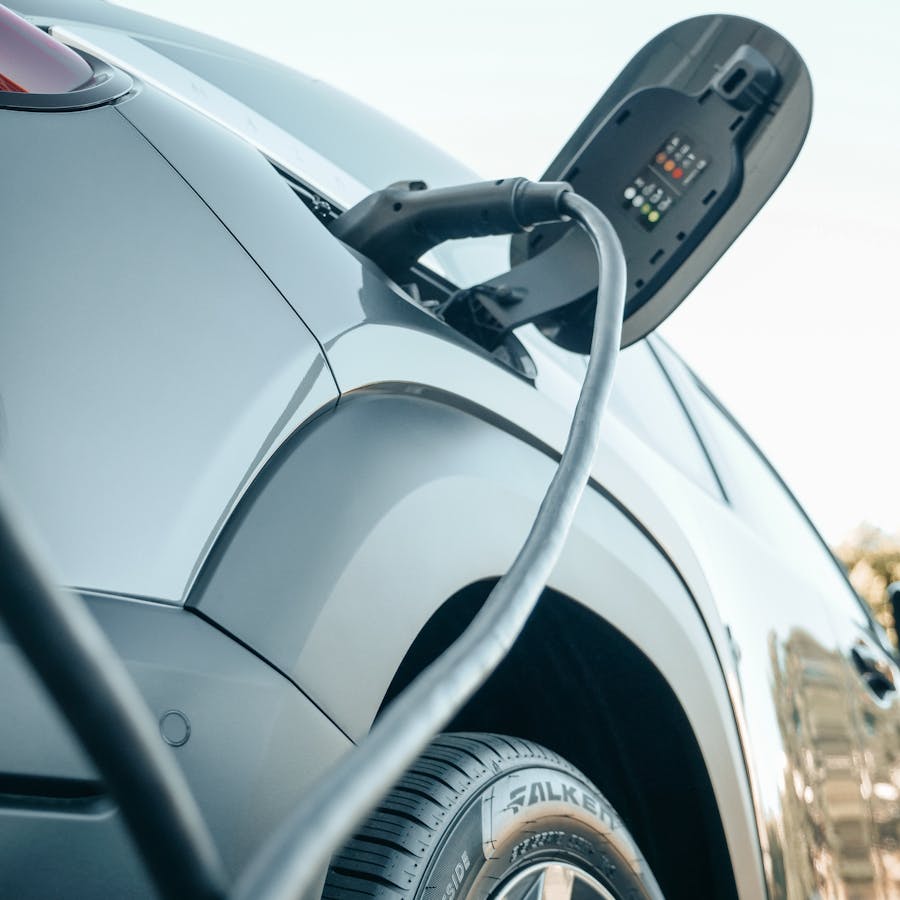
When you should skip a PHEV in 2026
No charging access: if you cannot plug in at home or work, skip the PHEV premium and buy a regular hybrid instead. You will spend less and get similar mpg without managing cables.
Mostly highway miles: long high-speed cruising uses the gasoline engine and reduces electric advantage. A efficient hybrid sedan or diesel alternative may be simpler.
You are ready for full EV: if your household can install home charging and your trips fit public network coverage, a full EV may cost less to run and feel simpler long-term.
Money math: purchase price, incentives, and fuel
PHEVs often cost more than gas equivalents before incentives. Federal and local credits can change the equation, but rules vary by model year, battery size, assembly location, and buyer income. Run the math on total cost of ownership, not just monthly payment.
Compare three scenarios over five years: PHEV with regular charging, conventional hybrid, and full EV if eligible. Include electricity rates, gas prices in your region, insurance, and expected maintenance. A PHEV that is charged daily can win on fuel. A PHEV that is never charged rarely wins on total cost.
Strong PHEV options to test in 2026
- Toyota RAV4 Prime: popular for SUV practicality and strong electric range in the segment.
- Hyundai Tucson Plug-In Hybrid / Kia Sportage PHEV: competitive equipment levels and value-focused pricing.
- Ford Escape Plug-In Hybrid: sensible for commuters who want a smaller footprint.
- Volvo XC60 Recharge / XC90 Recharge: premium cabins with meaningful electric miles if you charge consistently.
- Chrysler Pacifica Hybrid: still the family minivan answer for school runs on electricity and road trips on gas.
Battery health, resale, and long-term ownership
PHEV batteries are smaller than full EV packs, but replacement cost still matters. Check warranty length for the high-voltage battery and whether prior owners documented charging habits on used models. Resale can be soft on PHEVs that were never plugged in because fuel economy history looks average on paper.
For keepers, follow manufacturer guidance on long-term storage charge levels and avoid running the battery empty for extended periods. Software updates can improve charging logic and range estimation over time—ask dealers about included update policies.
PHEV vs hybrid vs EV: quick decision guide
Choose a PHEV if you have dependable charging, predictable short trips, and occasional long drives without wanting charger dependency.
Choose a hybrid if you want efficiency with zero charging lifestyle change.
Choose a full EV if your driving fits home charging plus workable public infrastructure and you want the lowest routine maintenance complexity.
Verdict for 2026 buyers
Plug-in hybrids are still worth buying in 2026, but only for the right driver. They are the best bridge technology for households transitioning toward electrification while keeping gasoline backup. They are a poor buy for drivers who will not install charging or who rarely drive short loops.
Before you sign, borrow a home charger quote, drive your weekday route on electric mode during a test loan if possible, and compare a hybrid trim on the same sheet. If charging fits your rhythm, a PHEV can feel brilliant. If not, put the money into a simpler powertrain and do not look back.