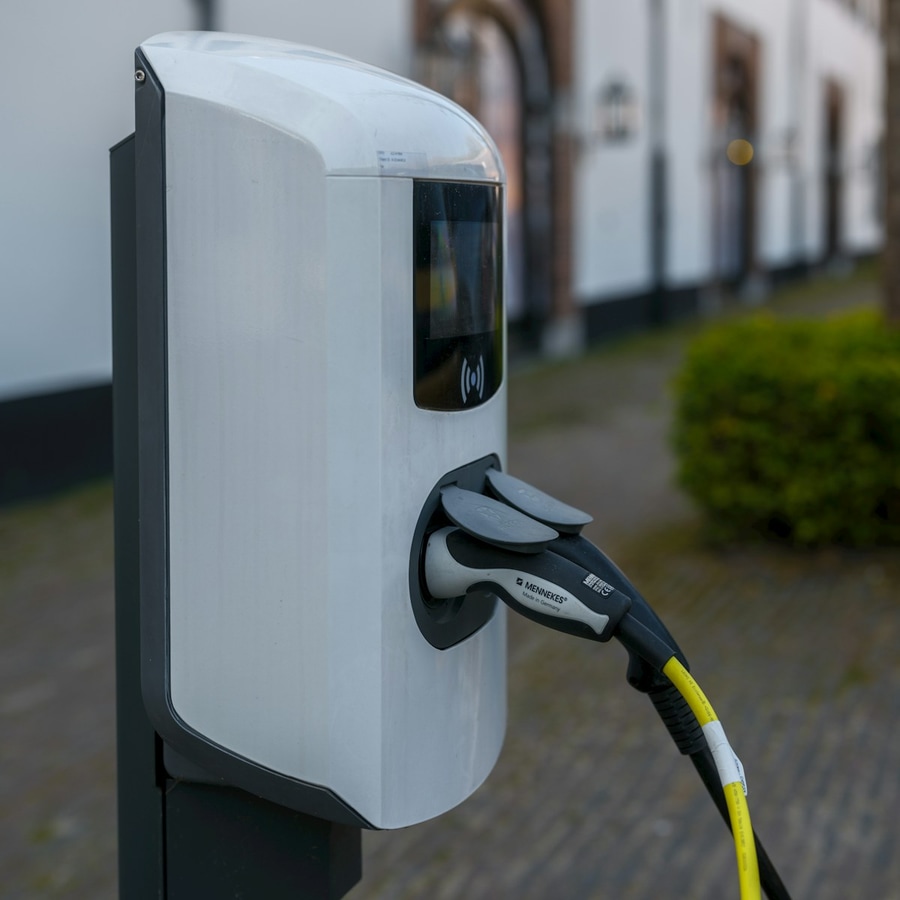
Charging language stops more first-time EV buyers than battery chemistry. Level 1, Level 2, CCS, NACS, kilowatts, and state of charge sound like a new alphabet. The underlying idea is simple: electricity flows into the pack at different speeds depending on equipment and temperature.
Learn the three charging levels and you can match a vehicle to your garage, commute, and road-trip habits without overspending on hardware you do not need.
Level 1: the household outlet baseline
Level 1 uses a standard 120-volt circuit. It adds range slowly—often enough for low-mileage drivers who plug in overnight every day. If your daily driving is short and patient charging works, you can delay Level 2 installation and learn consumption habits first.
Check outlet condition and circuit load. A dedicated circuit is safer than sharing with space heaters and old wiring.
Level 2: the home sweet spot
Level 2 runs on 240 volts, typically adding meaningful range per hour. Most owners install a wall connector or portable unit on a dryer-style circuit. An electrician should verify panel capacity, permit needs, and ground fault protection.
Shop by amperage rating, cable length, and whether you want smart scheduling for off-peak rates. The car onboard charger cap still limits speed—buying a 48-amp station does not help if the car accepts less on AC.
What kilowatts mean in plain English
Charging power in kilowatts times hours equals energy delivered. A 7 kW Level 2 session for four hours delivers roughly 28 kWh—useful for mental math versus your battery size and nightly need.
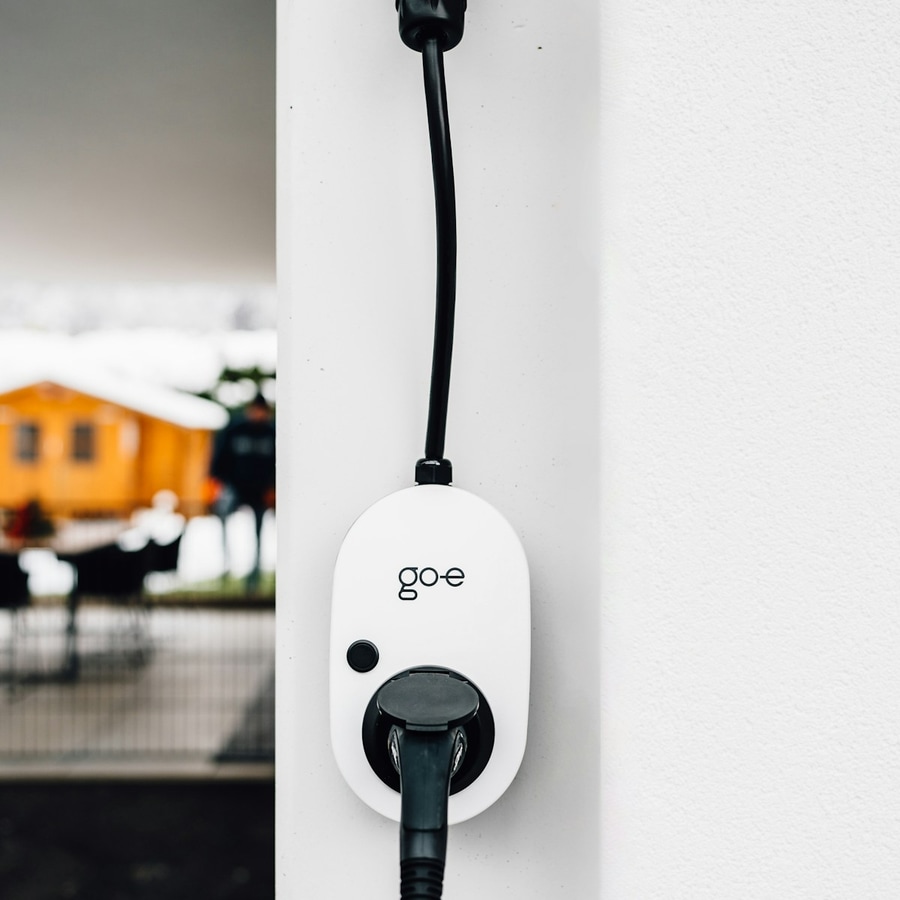
DC fast charging: highway fuel
DC fast chargers bypass the onboard AC charger and feed the pack directly at high power—until heat or high state of charge slows the curve. Stations cluster on interstates and urban corridors. Apps show status, pricing, and plug type.
Plan stops near 10–80 percent windows for best time efficiency. Expect slower speeds in winter unless the car preconditions the battery.
Connectors and standards in 2026
North America is transitioning toward NACS on many new models while CCS remains common on road networks built over the last decade. Adapters exist for some combinations; verify your model before a cross-country plan. Europe uses different standards entirely—travelers should research separately.
Costs and etiquette
Home charging cost equals kWh rate times energy added. Public DC pricing may be per kWh, per minute, or session-based. Idle fees punish cars that stay plugged after finishing. Move when done; it keeps networks available and your bill lower.
First-time buyer checklist
- Measure daily miles and compare to overnight Level 1 or 2 recovery.
- Get an electrician quote before car delivery.
- Download network apps you will use on road trips.
- Test a public charger near home once in the first week.
- Read the manual for max AC and DC speeds.
Bottom line
EV charging is a habit stack: slow and cheap at home, fast and pricier on the road. First-time buyers who understand the three levels buy smarter cars and install the right hardware once instead of guessing under pressure at the dealership.