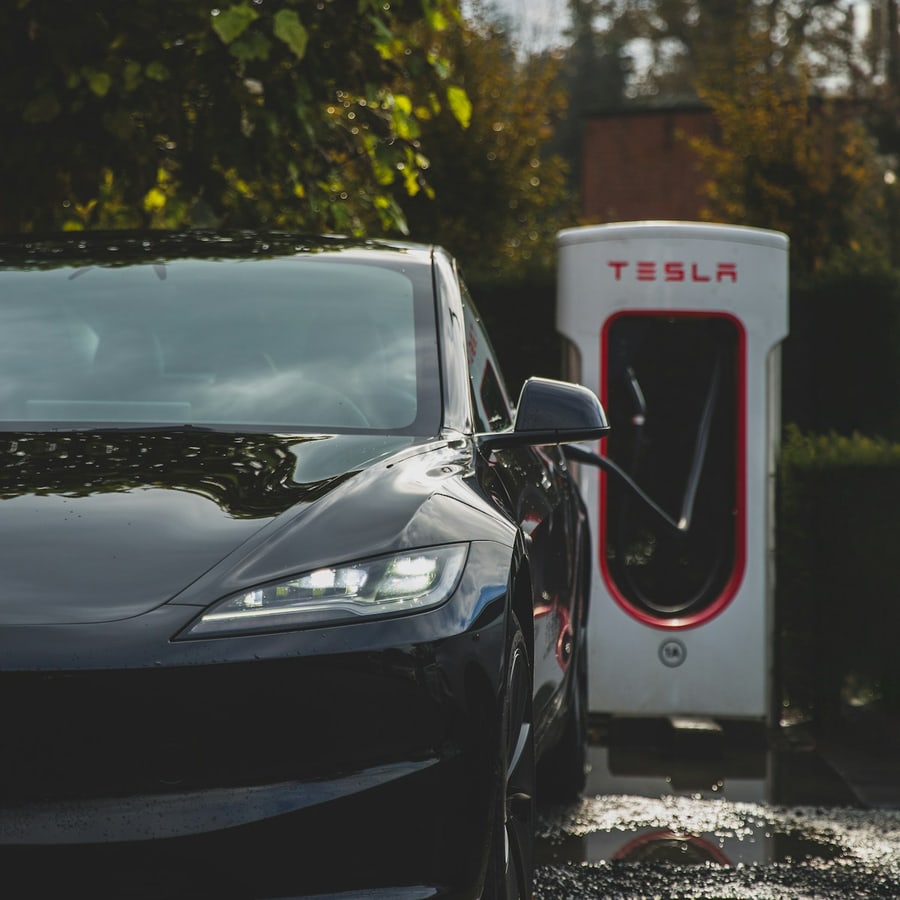
The monthly payment gets the attention, but ownership cost decides whether an electric vehicle actually saves money. In 2026, many EVs look affordable on lease sheets while hiding higher insurance, faster tire wear, and home charging installation. Others cost more upfront yet win on fuel and maintenance over five years.
Honest budgeting means stacking every line item: electricity versus gas, registration fees, repair history for your model, and how quickly the vehicle depreciates in your market. Here is the real cost picture buyers need before signing.
Purchase price and incentives
MSRP still varies widely between compact EVs, crossovers, and trucks. Federal and local incentives change by income, battery sourcing, and whether the vehicle is leased or purchased. A discount on paper means little if the trim you need lacks range or charging speed for your commute.
Leasing can bundle incentive pass-through and simplify resale risk, but mileage caps and wear charges still apply. Buying may win if you keep cars ten years and your model holds value.
Home charging: the hidden line item
Level 2 installation can range from a few hundred dollars to several thousand if your panel needs upgrades. Get quotes before purchase. Track cents per kilowatt-hour on your utility plan, including time-of-use windows that reward overnight charging.
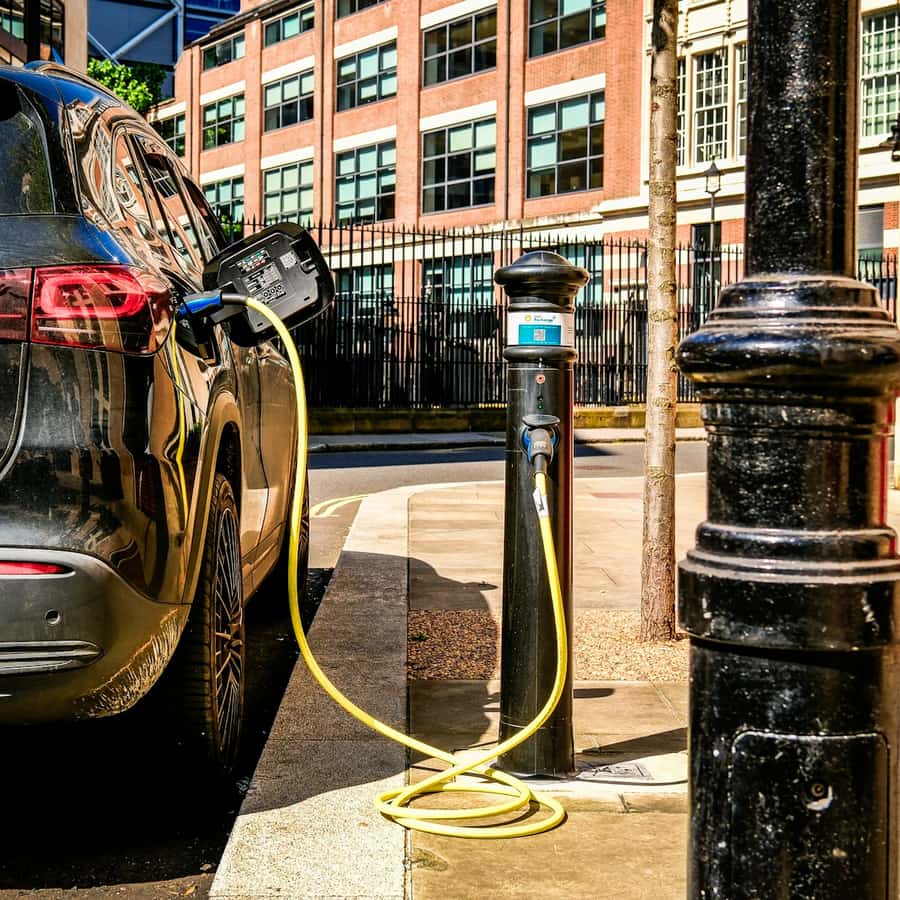
Apartment dwellers depend on public networks where per-kWh pricing and idle fees can rival gas costs if you are not strategic. Workplace charging is a bonus, not a plan, unless it is contractually reliable.
Public fast charging on road trips
DC fast charging is priced like convenience fuel. Occasional road trips are fine; weekly fast charging as a lifestyle raises monthly spend and can accelerate battery wear on some models. Map your regular routes and price sessions before you assume EV always means cheap energy.
Insurance and registration
Some carriers price EVs higher due to repair complexity and parts cost. Others offer green discounts. Shop quotes with the VIN you are considering. Certain states add road-use fees to replace lost gas tax revenue. Include those in your spreadsheet.
Maintenance: less, not zero
No oil changes is real savings. You still buy brake fluid, cabin filters, tires, suspension wear items, and 12-volt batteries. Regenerative braking helps pads last longer, but EV weight can eat tires faster if rotations are ignored. Follow the service schedule; skipping coolant checks on battery thermal systems is not a place to DIY gamble.
Depreciation and resale
EV resale curves moved quickly as new models launched with better range. Strong brands with wide charging support tend to hold value better. Battery warranty length and transferable coverage matter to second owners. Document charging habits if you sell privately; buyers increasingly ask.
Five-year ownership example mindset
Build a simple model: monthly payment plus insurance plus electricity estimate minus expected maintenance savings versus a comparable gas car. Add installation amortized over five years. If the EV wins only at 12,000 miles per year of driving, a low-mileage owner may not break even before trade-in.
Who saves most in 2026
- Drivers with home Level 2 and off-peak rates.
- High-mileage commuters replacing inefficient gas SUVs.
- Markets with strong used-EV demand and stable incentives.
Who should think twice
- No home charging and expensive local DC pricing.
- Frequent one-year trades during rapid model turnover.
- Cold-climate short trips without preconditioning habits if range margin is thin.
Bottom line
The real cost of owning an electric vehicle in 2026 is a spreadsheet problem, not a slogan. Do the math for your miles, your garage, and your insurance ZIP. The right EV can lower total cost of ownership; the wrong match feels expensive no matter how quiet the motor is.