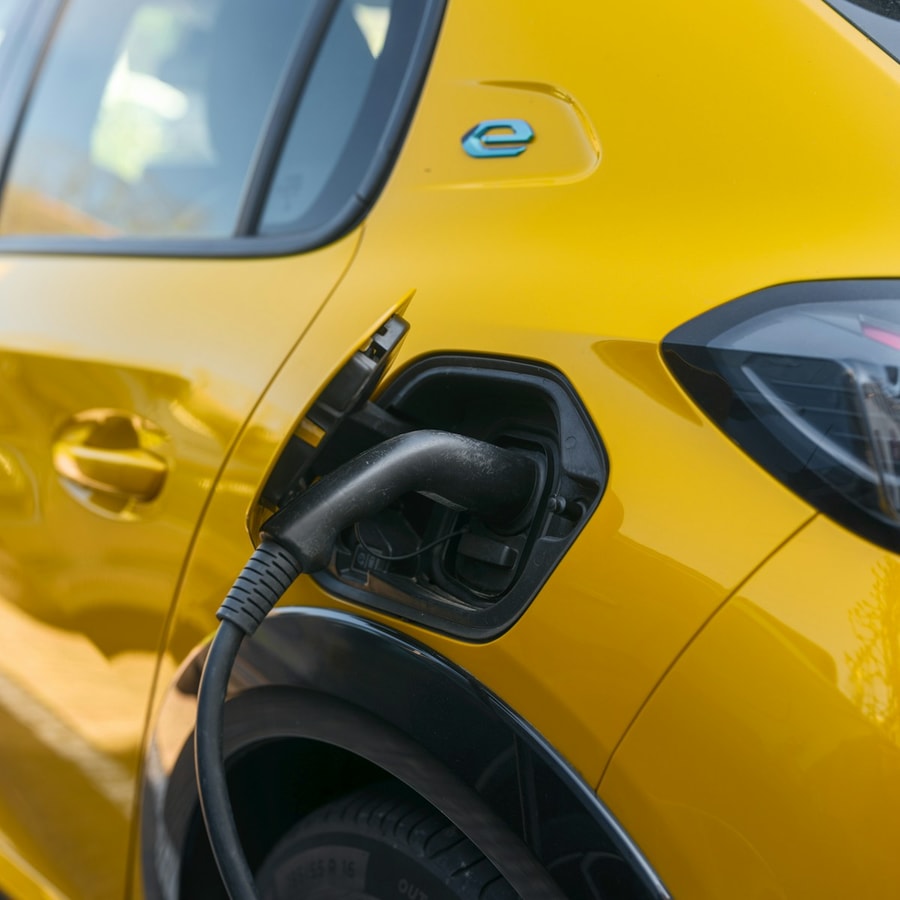
Range anxiety once meant white-knuckle drives with the heater off and one eye on a guess-o-meter. That story still circulates online, but the lived experience changed for many owners. New packs, better thermal management, and charging networks along major corridors turned EV travel from adventure into routine for millions of miles per month.
Anxiety is not gone everywhere—rural gaps and cold snaps still matter—but the trend line points toward confidence, not fear.
Bigger usable buffers
Mainstream crossovers commonly carry EPA ratings that cover a full workweek before charging. More important, conservative buffers at the bottom and top of the pack mean fewer scary zero moments. Drivers learn their real winter penalty and plan around it instead of trusting a single brochure number.
Faster stops when you need them
800-volt architectures and improved fast-charge curves shorten highway stops. Preconditioning batteries on navigation to the next charger reduces winter surprises. Ten to eighty percent in twenty-something minutes is normal on capable hardware—not everywhere, but on the routes people actually drive for holidays.
Software that plans like a co-pilot
In-car routing now stacks charging stops with expected arrival state of charge, stall availability hints, and elevation data. Phone apps from networks show live status. The mental load shifts from arithmetic to confirmation—still attention, less panic.
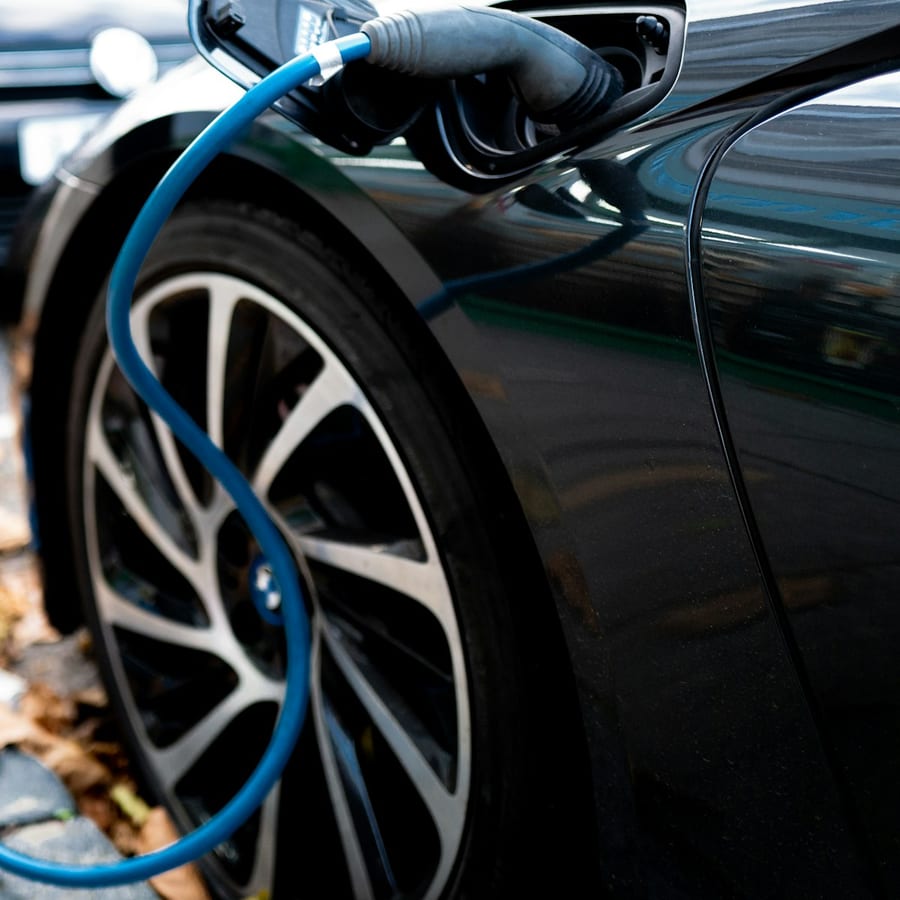
Home charging resets the psychology
Drivers who start each day with a full practical range rarely think about public charging except on trips. Anxiety concentrates among apartment residents without reliable overnight options—that infrastructure gap is the next frontier, not motor efficiency.
Education beats speculation
Dealerships and online communities share realistic winter tips: precondition while plugged in, reduce highway speed slightly, use seat heaters instead of blasting cabin heat when needed. Knowledge replaces folklore about bricking batteries overnight in parking lots.
Where anxiety still lingers
- Sparse rural corridors without redundant fast chargers.
- Older short-range models on secondary roads.
- First road trip without a tested plan.
- Broken or occupied chargers during peak travel windows.
What still helps today
Choose a car with buffer for your longest regular day, install home Level 2 if possible, and dry-run a weekend trip on apps you trust. Keep a backup network account and know alternate stations within ten miles.
Bottom line
EV range anxiety is slowly disappearing because hardware, networks, and software improved together—not because drivers stopped caring. The remaining gaps are map problems and housing access, not a dead end for electric driving.