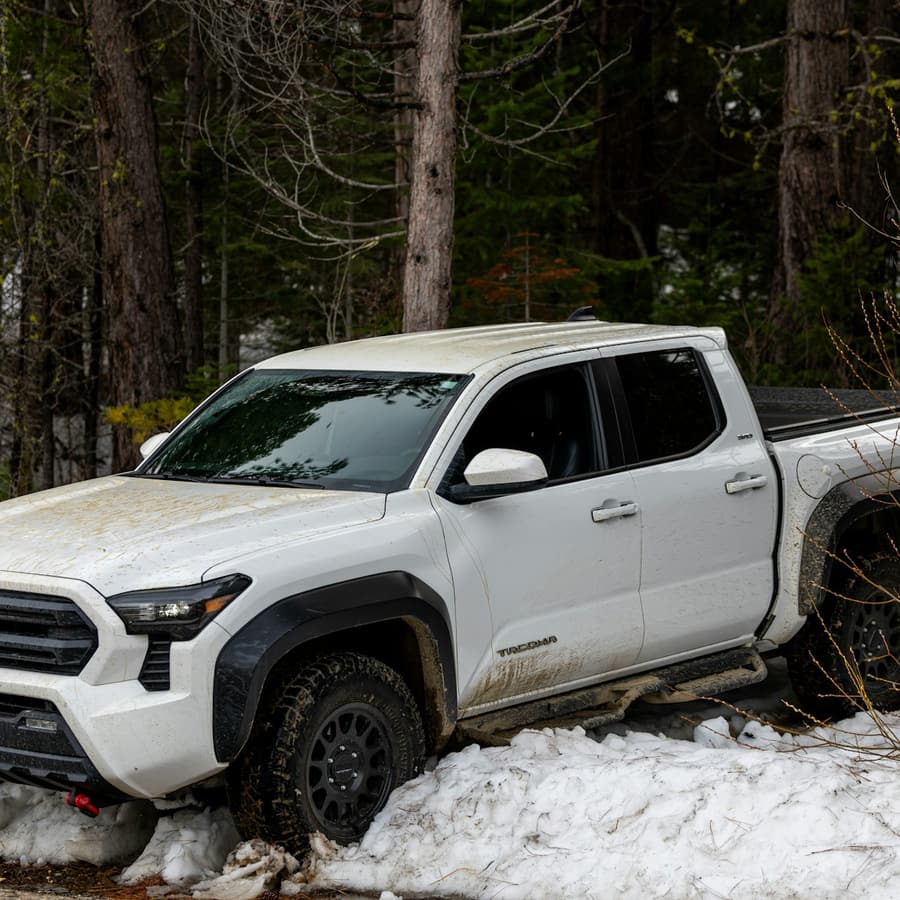
Every winter, social posts recycle the same surprise: an EV that showed 240 miles yesterday now shows 170 before breakfast. Chemistry and physics did not break. Cold batteries resist charging, cabin heat draws kilowatts, and dense air changes efficiency. Understanding winter behavior prevents panic and bad buying decisions.
Why range drops in the cold
Lithium-ion cells perform best in moderate temperatures. Cold increases internal resistance, so the pack delivers less energy and regen may soften. The display adjusts estimated range based on recent efficiency, which looks dramatic after the first freezing commute.
Cabin heating is the other major factor. Gas cars waste engine heat; EVs must create warmth electrically unless a heat pump efficiently moves heat from the drivetrain loop.
Charging slows when the pack is cold
DC fast charging on a cold battery often tapers low until the thermal system warms cells. Many cars offer battery preconditioning when navigation targets a charger—use it. Plug in at home while warm when possible so the pack starts the day in a happier temperature band.
Heat pumps and heated seats
Models with heat pumps typically lose less range in cold weather than resistive-only heaters. Seat and wheel heat often warms occupants with less energy than blasting cabin air. Dress for the season and use zoned heat wisely on long trips.
Tires, roads, and driving style
Winter tires increase rolling resistance but improve safety. Slush and snow add drag. Gentle acceleration and moderate highway speeds recover miles without heroic hypermiling.
Parking and storage tips
- Garage parking keeps packs warmer overnight.
- Precondition while plugged in before departure.
- Avoid sitting at very low state of charge in deep cold for days.
- Clear snow from wheels and underbody to reduce drag.
Planning road trips in winter
Add buffer stops, prefer chargers with covered stalls when available, and carry emergency gear like any winter driver. Apps that show stall uptime matter more when temperature swings are wide.
Bottom line
Winter weather affects EV performance predictably. Drivers who precondition, understand heat choices, and budget extra range stop treating cold snaps like defects—and start treating them like seasonality.