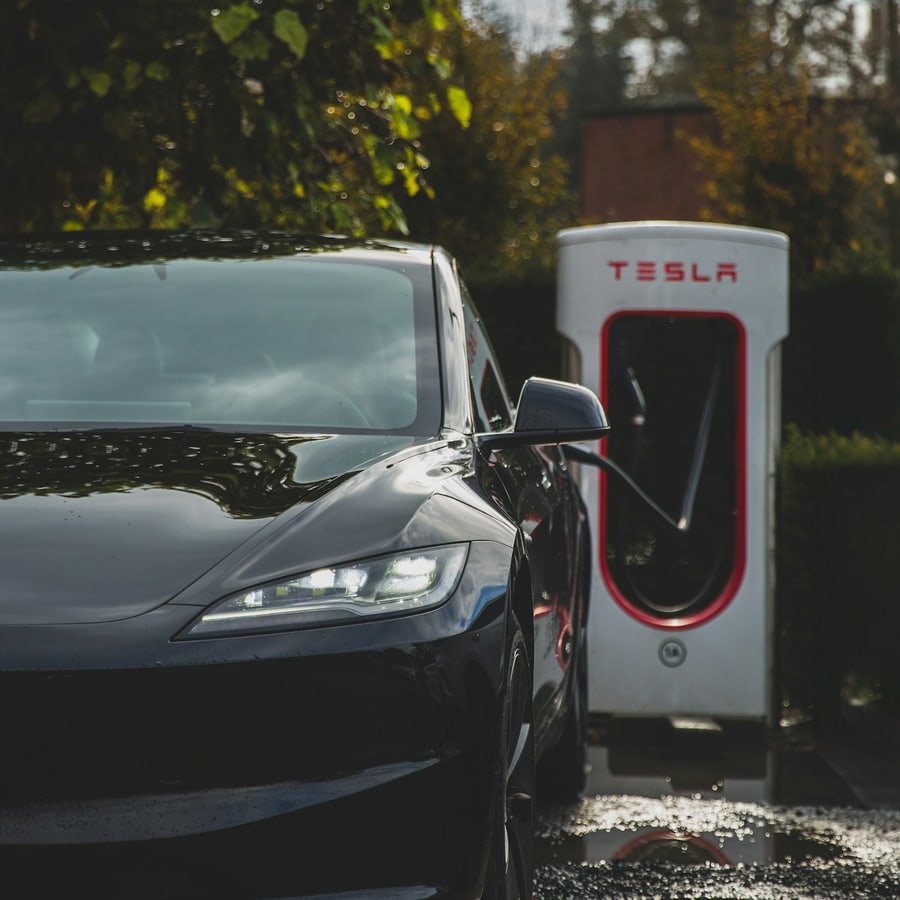
Road-trip charging used to mean one question: can I stay on the Supercharger map? In 2026 the picture is messier and better. Tesla opened portions of its network to other brands with adapters or native ports. Public operators upgraded hardware and software. The right network depends on your car, your routes, and how much friction you tolerate at midnight in the rain.
Supercharger strengths
Tight integration with in-car navigation, predictable stall layout, and years of highway placement still make Superchargers the benchmark for trip planning. Payment and session start are smooth for supported vehicles. Uptime in busy corridors is often better than fragmented third-party sites—though not perfect on holiday peaks.
Supercharger limitations
Pricing varies by region and can spike during peak windows. Older V2 sites feel slow next to newer 250 kW hardware. Non-Tesla access depends on port type, adapter stock, and software enablement—verify before you assume every stall works for your model.
Public network landscape
Electrify America, EVgo, ChargePoint, regional utilities, and grocery-store hubs fill metro and interstate gaps. Newer stations add higher peak power and better cable reach. Reliability improved but remains uneven—one bad stall can define an evening if backups are distant.
Pricing and memberships
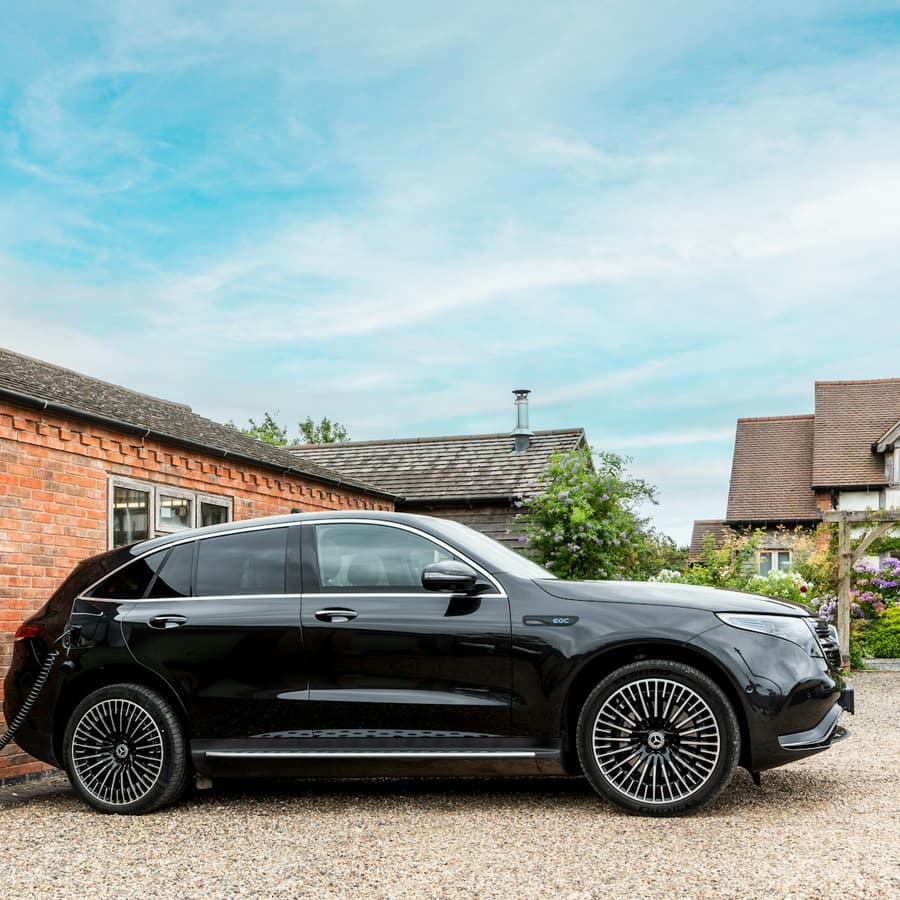
Public networks sell memberships, per-kWh rates, and per-minute billing where allowed. Compare effective cost on your actual routes, not national averages. Idle fees are common everywhere—move when finished.
Speed and vehicle fit
Your car charge curve matters more than station peak kilowatts. Some non-Tesla models charge fastest on specific networks due to software tuning and cable voltage. Read owner forums for your exact model before a cross-country bet.
Who should prioritize Superchargers
- Tesla drivers on frequent interstate travel.
- Supported non-Tesla models with native NACS and validated profiles.
- Drivers who value one-app trip planning over hunting multiple brands.
Who can thrive on public networks
- Drivers with strong regional coverage along their commute and family routes.
- Home Level 2 users who rarely DC charge except vacations.
- Budget shoppers who leverage store-sponsored Level 2 while shopping.
Practical dual-network strategy
Carry two apps, one payment card, and know alternate stations within ten miles. Test your longest holiday route once in the shoulder season before you need it on Thanksgiving traffic.
Bottom line
Tesla Supercharger vs public charging networks is not a forever winner-take-all fight. It is route-specific. Map your life, test both ecosystems on a real trip, and keep the accounts that actually get used.